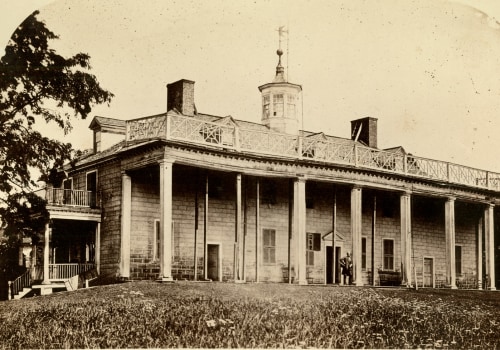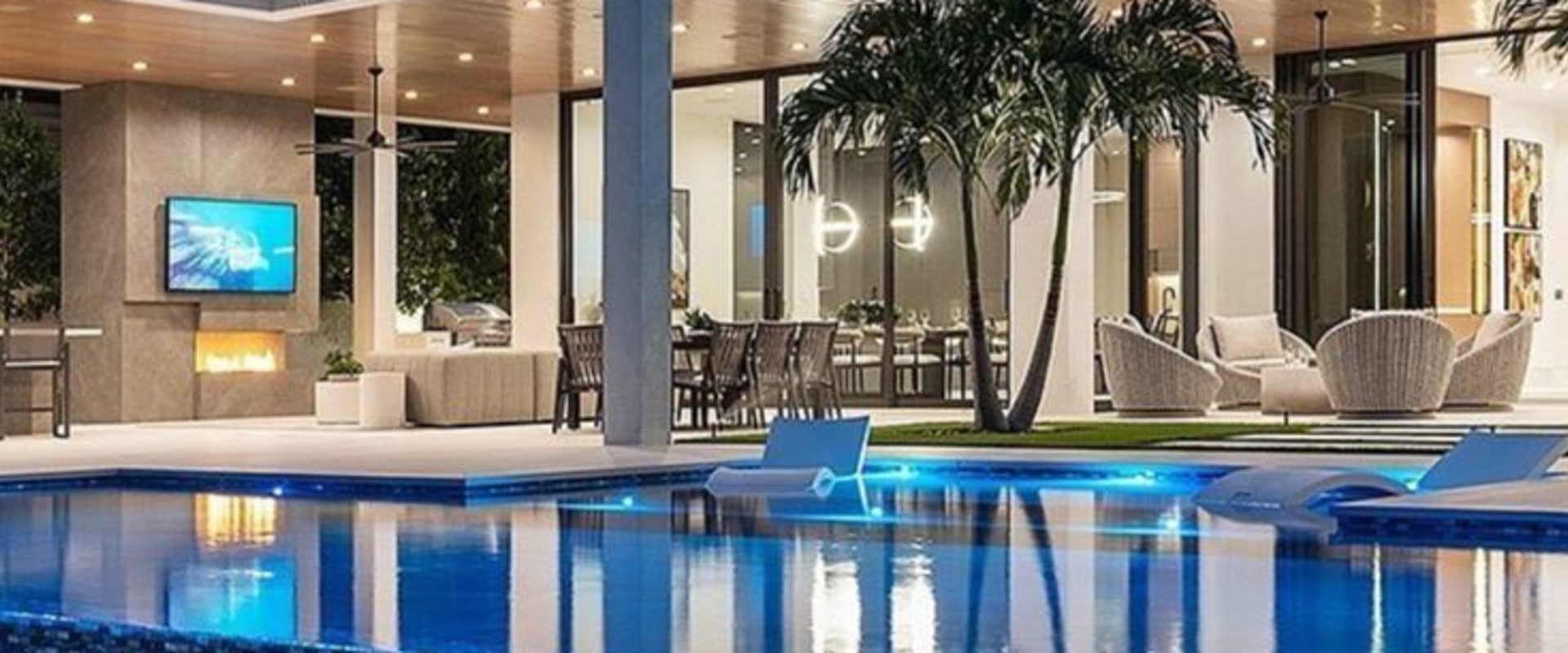
The concept of a billion-dollar home may seem like a fantasy reserved for the pages of luxury magazines or the dreams of the ultra-wealthy, but it is increasingly becoming a reality in the world of luxury real estate. As global wealth continues to rise, particularly among billionaires and high-net-worth individuals, the demand for extraordinary properties has surged. These homes are not just about size or opulence; they represent a unique blend of architectural innovation, prime location, and unparalleled amenities that cater to an elite lifestyle.In recent years, we have witnessed a growing trend where properties are not only valued in the hundreds of millions but are pushing the boundaries into the billion-dollar range. This shift is driven by several factors, including limited availability of land in prestigious areas, the allure of bespoke design, and the increasing importance placed on privacy and security.
High-value properties often feature state-of-the-art technology, expansive grounds, and exclusive access to luxury services that elevate them beyond mere residences.As we delve deeper into this intriguing topic, we will explore what defines a billion-dollar home, examine some of the most notable examples around the globe, and discuss the implications of such extravagant investments in today’s real estate market. Understanding this phenomenon not only sheds light on the evolving landscape of high-value properties but also invites us to consider what these homes signify about wealth, status, and lifestyle in our modern world.
The Most Expensive Homes Ever Sold
The luxury real estate market has seen some astonishing transactions over the years, with several homes fetching prices that defy imagination. Here are some of the most expensive homes ever sold, showcasing the heights of opulence and exclusivity.- Antilia, Mumbai - Sold for approximately $1 billion, this 27-story skyscraper is owned by billionaire Mukesh Ambani. It features three helipads, a 168-car garage, and a health spa, making it one of the most extravagant residences in the world.
- The One, Bel Air - This mega-mansion was listed for $500 million and sold for $126 million in 2022. Spanning over 100,000 square feet, it includes a nightclub, a bowling alley, and multiple swimming pools.
- Villa Les Cèdres, France - Once owned by King Leopold II of Belgium, this stunning estate was sold for $221 million in 2017. Nestled on the French Riviera, it boasts 14 bedrooms and a botanical garden with over 20,000 plant species.
- Chartwell Estate, Los Angeles - This iconic property was sold for $150 million in 2019. Known for its grand architecture and expansive grounds, it features a ballroom, a wine cellar, and breathtaking views of the city.
The luxury real estate market continues to thrive as affluent buyers seek unique and lavish living spaces that offer both comfort and status.As we look to the future, it remains to be seen whether any home will break the elusive $1 billion mark. However, with the increasing interest in high-end real estate and the emergence of new billionaires globally, the possibility is certainly on the horizon.
What Makes a Home Worth $1 Billion?
Determining what makes a home worth $1 billion involves a combination of unique features, location, and market dynamics. Here are some key factors that contribute to such an extraordinary valuation:- Location: The most significant factor is often the location. Homes in exclusive neighborhoods, such as Beverly Hills or Manhattan, command higher prices due to their desirability and limited availability.
- Size and Scale: A billion-dollar home typically spans several acres and includes extensive square footage.
These properties often feature multiple structures, such as guest houses, pools, and recreational facilities.
- Architectural Design: Unique and innovative architectural designs can significantly enhance a home's value. Properties designed by renowned architects or featuring historical significance often attract high-end buyers.
- Luxury Amenities: Billion-dollar homes are equipped with state-of-the-art amenities. This may include private cinemas, wine cellars, spas, and even helipads. Such features cater to the lifestyle of ultra-wealthy individuals.
- Security and Privacy: High-end properties often come with advanced security systems and are located in gated communities or private estates, ensuring the utmost privacy for their owners.
- Art and Collectibles: Many billion-dollar homes include art collections or rare collectibles that add intrinsic value to the property.
These items can significantly influence the overall worth of the home.
Current Trends in Luxury Real Estate
The luxury real estate market is currently experiencing a dynamic shift, influenced by various factors that are reshaping the landscape of high-end properties. As we delve into the current trends in luxury real estate, it becomes evident that these changes could pave the way for the emergence of billion-dollar homes.One significant trend is the increasing demand for sustainable and eco-friendly homes. Buyers are now prioritizing properties that incorporate green technologies and sustainable materials.This shift not only reflects a growing awareness of environmental issues but also enhances the long-term value of these investments.Another notable trend is the rise of remote work, which has led affluent buyers to seek properties in less urbanized areas. The pandemic has changed perceptions about location, with many individuals opting for spacious homes in scenic locations that offer both luxury and tranquility. This has resulted in a surge in demand for high-end properties in regions previously considered secondary markets.
- Technological Integration: Luxury homes are increasingly equipped with smart home technologies, enhancing convenience and security. Features such as automated lighting, climate control, and advanced security systems are becoming standard expectations among buyers.
- Health and Wellness Amenities: Properties that offer wellness features, such as home gyms, spas, and outdoor spaces designed for relaxation, are gaining popularity.
This trend reflects a broader societal focus on health and well-being.
- Global Investment: The luxury real estate market is also seeing an influx of international buyers. Wealthy individuals from around the world are investing in U.S. properties, driven by favorable exchange rates and the stability of the American market.
The Role of Location in Valuing High-End Properties
When it comes to high-end properties, location is often the most critical factor influencing their value.Luxury homes are not just about square footage or architectural design; they are deeply intertwined with their surroundings. The right location can elevate a property’s status and price exponentially.Prime real estate locations typically offer a combination of factors that appeal to affluent buyers:
- Accessibility: Proximity to major cities, airports, and business districts enhances a property's desirability.
- Scenic Views: Homes with breathtaking views—whether of the ocean, mountains, or city skylines—command higher prices.
- Neighborhood Prestige: Areas known for their exclusivity, such as Beverly Hills or Manhattan's Upper East Side, attract wealthy buyers looking for status.
- Safety and Security: Gated communities and low crime rates are significant draws for luxury homebuyers.
- Amenities: Nearby high-end shopping, fine dining, and cultural institutions add to the allure of a location.
Global trends can shift the desirability of certain areas. For example, as remote work becomes more prevalent, previously overlooked regions may see a surge in interest from buyers seeking spacious homes in tranquil settings.In conclusion, understanding the role of location in valuing high-end properties is essential for anyone interested in the luxury real estate market. It is not merely about where a home is situated but how that location enhances the overall living experience and investment potential.
Are There Any Homes Currently Valued at $1 Billion?
As of now, there are no homes officially listed with a valuation of $1 billion. However, the luxury real estate market has seen properties that come close to this staggering figure.The most notable example is the Antilia in Mumbai, India, owned by billionaire Mukesh Ambani. This 27-story skyscraper is estimated to be worth around $2 billion, making it one of the most expensive private residences in the world.Another contender is the Villa Les Cèdres in France, which was listed for approximately $410 million. This opulent estate boasts 14 bedrooms and a stunning garden, showcasing the kind of luxury that attracts ultra-high-net-worth individuals. While it falls short of the billion-dollar mark, it exemplifies the extreme valuations seen in high-end real estate.In the United States, properties like The One in Bel Air, California, have been marketed with valuations nearing $500 million.
This mega-mansion features 105,000 square feet of living space and an array of extravagant amenities, including a nightclub and multiple swimming pools. Although it hasn't reached the billion-dollar threshold, its price tag reflects the growing trend of luxury home valuations.Factors contributing to these high valuations include:
- Location: Prime real estate locations such as Beverly Hills, Manhattan, and Monaco significantly influence property values.
- Amenities: Features like private cinemas, expansive gardens, and state-of-the-art security systems add to a home's allure.
- Historical Significance: Properties with rich histories or unique architectural designs often command higher prices.
Future Predictions: Will We See a $1 Billion Home?
The luxury real estate market has seen unprecedented growth over the past decade, leading many to speculate about the possibility of a $1 billion home. As we look to the future, several factors could contribute to the emergence of such a high-value property.Technological Advancements
- Smart home technology is evolving rapidly, with innovations that enhance security, energy efficiency, and convenience. Homes equipped with cutting-edge technology can command higher prices.
- Virtual reality and augmented reality are changing how properties are marketed and sold, allowing potential buyers to experience luxury homes in immersive ways.
Global Wealth Distribution
- The number of ultra-high-net-worth individuals (UHNWIs) is on the rise, particularly in emerging markets.
This growing class of wealthy individuals is driving demand for exclusive properties.
- As wealth becomes more concentrated, the competition for unique and luxurious homes intensifies, potentially pushing prices into the billion-dollar range.
Location and Exclusivity
- Prime locations such as Beverly Hills, Manhattan, and Monaco are already home to some of the most expensive properties in the world. A combination of location, exclusivity, and unique architectural design could lead to a property reaching the billion-dollar mark.
- Properties that offer unparalleled amenities—such as private beaches, expansive vineyards, or historical significance—are more likely to attract buyers willing to pay top dollar.
FAQs About Billion-Dollar Homes
When it comes to billion-dollar homes, many questions arise regarding their existence, features, and the luxury real estate market. Here are some frequently asked questions that can help clarify this fascinating topic.- Are there homes worth $1 billion?
Yes, while extremely rare, there are properties that have been valued at or near $1 billion.These homes typically feature unparalleled amenities, expansive land, and prime locations.
- What makes a home worth a billion dollars?
The valuation of a billion-dollar home often includes factors such as: - Location in prestigious areas (e.g., Beverly Hills, Monaco)
- Architectural significance and design
- Luxury amenities (e.g., private cinemas, spas, and pools)
- Historical value or celebrity ownership
- Who owns the most expensive home in the world?
The title of the most expensive home is often contested, but as of now, the Antilia in Mumbai, India, owned by Mukesh Ambani, is frequently cited as one of the most valuable residential properties globally. - How does luxury real estate differ from regular real estate?
Luxury real estate typically involves properties that are priced significantly higher than average homes. Key differences include: - Higher quality materials and construction
- Exclusive locations with limited availability
- Enhanced privacy and security features
- Amenities that cater to a high-end lifestyle
- What are common features of billion-dollar homes?
Billion-dollar homes often boast: - Multiple swimming pools and outdoor entertainment areas
- State-of-the-art technology and smart home systems
- Extensive gardens and landscaping
- Private gyms and wellness centers
Conclusion: The Reality of a Billion-Dollar Home
In conclusion, the concept of a $1 billion home is both fascinating and complex. Throughout this article, we have explored the characteristics that define ultra-luxury properties, the current market trends, and the factors that contribute to such astronomical valuations. While there are homes that approach this staggering price point, as of now, no single residence has officially crossed the $1 billion threshold.Luxury homes are often characterized by their unique features, prime locations, and unparalleled amenities.Properties like Antilia in Mumbai and The One in Los Angeles showcase how extravagant design and opulent living can command high prices. However, these homes also reflect the broader economic landscape and the demand for exclusive real estate.
Final Thoughts on High-Value Properties
- The allure of a billion-dollar home lies not just in its price but in its ability to symbolize wealth and status.
- As global wealth continues to rise, particularly among billionaires, the market for luxury properties is likely to evolve.
- Investors and buyers should remain aware of market fluctuations and the potential for future record-breaking sales.