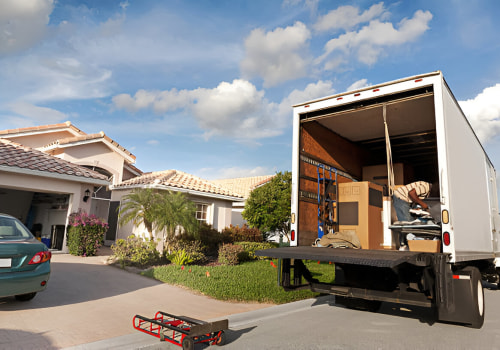
Moving can be an overwhelming experience, but having a clear moving timeline can significantly ease the process. One month before your move is a crucial time to start organizing and planning. This period allows you to break down the daunting task of relocating into manageable steps, ensuring that nothing is overlooked. By establishing a detailed moving checklist, you can prioritize tasks and allocate your time effectively, making the transition smoother. Understanding the moving timeline is essential for a successful relocation.
It not only helps you stay on track but also reduces stress as you approach your moving day. During this month, you should focus on key activities such as notifying your landlord, setting up utilities at your new home, and beginning to pack non-essential items. Each of these tasks plays a vital role in ensuring that your move is organized and efficient. As you embark on this journey, remember that planning is your best ally. A well-structured moving checklist will guide you through each step, from decluttering your current space to coordinating with moving services.
By taking the time to understand and implement a solid moving timeline, you set yourself up for success, allowing for a seamless transition into your new home.
Creating a Moving Checklist
As you approach the final month before your move, creating a moving checklist becomes essential to ensure a smooth transition. This checklist will help you stay organized and focused on the tasks that need to be completed.- Finalize Your Moving Date: Confirm the date with your moving company or rental truck service. This will help you plan other tasks accordingly.
- Sort and Declutter: Go through your belongings and decide what to keep, donate, or discard. This will reduce the amount of stuff you need to move and can save you money.
- Gather Packing Supplies: Collect boxes, packing tape, bubble wrap, and markers.
Having these supplies ready will make packing more efficient.
- Create a Packing Schedule: Plan which rooms to pack first. Start with items you use less frequently, such as seasonal clothing or decor.
- Notify Important Parties: Inform your utility companies, banks, and any subscription services about your upcoming move. Schedule disconnection and reconnection dates for utilities.
- Change Your Address: Update your address with the post office and any important institutions like your employer, insurance providers, and banks.
- Plan for Pets and Plants: Make arrangements for transporting pets and plants, as they may require special care during the move.
- Review Moving Insurance: Check if your moving company offers insurance options. Consider purchasing additional coverage if necessary.
- Create an Inventory List: Document all items being moved.
This will help you keep track of everything during the move and ensure nothing is lost.
Sorting and Decluttering Your Belongings
As you prepare for your upcoming move, sorting and decluttering your belongings is a crucial step that can significantly ease the process. Not only does it help reduce moving costs, but it also minimizes stress by allowing you to start fresh in your new home.Here are some effective strategies to help you downsize and organize your possessions:- Create a Plan: Start by setting aside dedicated time each week to focus on different areas of your home. This will prevent you from feeling overwhelmed.
- Use the Four-Box Method: Label four boxes as Keep, Donate, Sell, and Trash.
As you go through each item, place it in the appropriate box. This method helps streamline decision-making.
- Evaluate Each Item: Ask yourself if you’ve used the item in the past year or if it holds significant sentimental value. If not, consider letting it go.
- Digitize When Possible: For items like documents, photos, or memorabilia, consider scanning them to keep a digital copy while freeing up physical space.
- Host a Garage Sale: If you have items in good condition that you no longer need, hosting a garage sale can be a great way to earn some extra cash while decluttering.
- Donate Wisely: Research local charities or organizations that accept donations. Many will even pick up large items from your home, making it easier for you.
Remember, the goal is to surround yourself with items that truly add value to your life.
Researching Moving Companies
Choosing the right moving company is crucial for a smooth relocation. Start your research by asking for recommendations from friends, family, or colleagues who have recently moved. Personal experiences can provide valuable insights into the reliability and professionalism of various movers.Once you have a list of potential companies, it’s time to dive deeper:- Check Online Reviews: Websites like Yelp, Google Reviews, and the Better Business Bureau (BBB) are excellent resources for reading moving company reviews. Look for patterns in feedback—consistent complaints about delays or damages should raise red flags.
- Verify Credentials: Ensure that the moving companies you consider are licensed and insured.
In the U.S., interstate movers must be registered with the Federal Motor Carrier Safety Administration (FMCSA). You can check their status on the FMCSA website.
- Get Multiple Quotes: Contact at least three moving companies to request quotes. This will not only give you a sense of pricing but also allow you to gauge their customer service. Pay attention to how promptly they respond and how thorough they are in their estimates.
- Ask About Services: Different moving companies offer various services.
Some may provide packing and unpacking, while others focus solely on transportation. Determine what services you need and ensure the company can accommodate them.
Notifying Important Parties of Your Move
When preparing for a move, one of the most crucial steps is notifying important parties about your change of address.This ensures that your mail, services, and accounts transition smoothly to your new location. Here’s a comprehensive list of who to inform:
- Utilities: Contact your electricity, gas, water, and internet providers to schedule disconnection at your current address and connection at your new home. This should be done at least two weeks before your move.
- Bank and Financial Institutions: Update your address with your bank, credit card companies, and any investment accounts. This helps prevent any disruption in service and ensures that sensitive documents reach you securely.
- Insurance Providers: Notify your health, auto, home, and life insurance companies about your move.
Changes in location can affect your premiums and coverage options.
- Government Agencies: Inform the post office of your new address to forward your mail. Additionally, update your information with the DMV for your driver’s license and vehicle registration.
- Subscriptions and Memberships: Don’t forget to update your address for any magazine subscriptions, online shopping accounts, or memberships (like gyms or clubs) to avoid missing out on deliveries or services.
Packing Strategies for an Efficient Move
When it comes to moving, effective packing strategies can significantly reduce stress and streamline the entire process. Here are some essential tips to help you pack efficiently.- Start Early: Begin packing at least a month in advance.
This allows you to tackle one room at a time without feeling overwhelmed.
- Gather Packing Supplies: Ensure you have all necessary packing supplies before you start. This includes:
- Sturdy boxes in various sizes
- Bubble wrap or packing paper for fragile items
- Tape and tape dispensers
- Markers for labeling
- Furniture blankets or pads
- Scissors and box cutters
- Declutter Before Packing: Go through your belongings and decide what to keep, donate, or discard. This not only reduces the number of items to pack but also makes unpacking easier.
- Room-by-Room Packing: Focus on one room at a time. Start with less frequently used items, such as seasonal clothing or decor, and work your way to essentials.
- Label Everything: Clearly label each box with its contents and the room it belongs to.
This will save you time when unpacking in your new home.
- Use Proper Packing Techniques: For fragile items, use bubble wrap or packing paper and fill any empty spaces in boxes to prevent movement. For clothing, consider using wardrobe boxes for easy transport.
Preparing Your New Home for Arrival
As you approach your moving date, it’s essential to focus on preparing your new home for a smooth transition. This preparation not only makes your move easier but also ensures that you can settle in comfortably right away.One of the first steps is to clean your new house before moving in.Even if the previous owners or tenants left the place in good condition, a thorough cleaning will help you feel more at home. Here are some cleaning tasks to consider:
- Dust and wipe down surfaces: Start from the top and work your way down, ensuring that all surfaces, including shelves, countertops, and baseboards, are dust-free.
- Clean the floors: Whether you have carpet, hardwood, or tile, give the floors a deep clean. Consider hiring professionals for carpets or using a steam cleaner for hard surfaces.
- Check appliances: Clean out the refrigerator and oven. If possible, run a cycle on the dishwasher to ensure it’s clean and ready for use.
- Bathrooms: Scrub toilets, sinks, and tubs thoroughly.
Replace any old shower curtains or bath mats to give the space a fresh feel.
- Electricity: Contact your local provider to set up service starting on your move-in date.
- Water and Sewer: Ensure that water services are transferred or set up in your name.
- Gas: If your home uses gas for heating or cooking, make sure this is activated before you arrive.
- Internet and Cable: Schedule installation ahead of time so you can stay connected as soon as you move in.
- Trash Collection: Find out when trash pickup occurs in your area and set up service if necessary.
Managing Moving Day Logistics
As moving day approaches, managing the logistics effectively can make a significant difference in ensuring a smooth transition. Here are some essential moving day tips to help you prepare:- Create a Timeline: Develop a detailed timeline for the day of the move. Include when the movers are scheduled to arrive, when to disconnect utilities, and when to do a final walkthrough of your old home.
- Communicate with Your Movers: Confirm the details with your moving company a few days before the move.
Ensure they have the correct address, know what time to arrive, and understand any special requirements you may have.
- Prepare an Essentials Box: Pack a box with essential items you’ll need immediately upon arrival at your new home. This should include toiletries, a change of clothes, important documents, and basic kitchen supplies.
- Be Present: Make sure you are available throughout the day to answer questions and provide guidance to the movers.
- Final Walkthrough: Before leaving your old home, do a final walkthrough to ensure nothing is left behind. Check closets, cabinets, and storage areas.
- Direct the Loading Process: Help direct the movers on where to place items in the moving truck. This will help optimize space and ensure fragile items are handled with care.
Remember that being prepared is key to a successful move!
FAQs About Moving Preparation
Preparing for a move can be overwhelming, and it's common to have questions about the best practices to ensure a smooth transition. Here are some frequently asked questions regarding moving preparation:- What should I do first when preparing to move?
Start by creating a detailed moving checklist. This should include tasks such as notifying your landlord (if applicable), setting up utilities at your new home, and organizing your belongings. - How far in advance should I start packing?
Ideally, you should begin packing at least three to four weeks before your move. Start with items you use less frequently, such as seasonal clothing or decor. - Should I hire professional movers or do it myself?
This depends on your budget and the complexity of your move.If you have heavy furniture or a long distance to travel, hiring professionals can save you time and effort.
- What items should I not pack?
Avoid packing hazardous materials, perishable food, and important documents. Keep these items with you or dispose of them properly. - How can I make my move more eco-friendly?
Consider using reusable packing materials, such as bins or blankets, and donate items you no longer need instead of throwing them away.
Conclusion: Key Takeaways for a Smooth Move
As you approach the final month before your move, it’s crucial to consolidate all the planning and preparations you’ve undertaken. A successful move hinges on your ability to stay organized and proactive.Here are the key takeaways to ensure a smooth transition:
- Finalize Your Moving Plan: Review your moving checklist and timeline. Ensure that all tasks are on track, from packing to notifying utility companies.
- Declutter Effectively: Take this opportunity to sort through your belongings. Donate or sell items you no longer need, which will lighten your load and reduce moving costs.
- Confirm Arrangements: Double-check your moving company’s details, including the date, time, and any special requirements. If you’re renting a truck, confirm your reservation.
- Pack Strategically: Begin packing non-essential items first.
Use quality packing materials to protect your belongings and label boxes clearly for easy unpacking.
- Notify Important Parties: Inform your bank, insurance providers, and any subscription services about your change of address. This will help avoid disruptions in service.
- Prepare for the Unexpected: Have a contingency plan in place for potential issues, such as delays or last-minute changes. Keep essential items accessible for the moving day.