In the realm of telecommunications, area codes serve as essential identifiers that help route calls to their intended destinations. These three-digit numbers are not just arbitrary; they are carefully assigned to specific geographic regions, allowing for efficient communication across vast distances. Understanding area codes is crucial for anyone navigating the complexities of phone communication, whether for personal use or business purposes. The significance of area codes extends beyond mere dialing convenience. They can influence everything from the perception of a business's location to the cost of a call.
For instance, a local area code can instill trust and familiarity in customers, while an unfamiliar one might raise suspicions or lead to missed connections. Additionally, certain area codes have gained notoriety for being associated with scams or telemarketing, making it vital for consumers to be aware of which codes to avoid. As we delve deeper into the topic, it becomes clear that not all area codes are created equal. Some may offer benefits, while others could pose risks or inconveniences. By understanding the basics of area codes and their implications, you can better navigate your communication landscape and protect yourself from potential pitfalls.
This knowledge sets the stage for identifying the five area codes that are best avoided in today's digital age.
What Makes an Area Code Risky?
Understanding what makes an area code risky is essential for anyone looking to protect themselves from unwanted calls and potential scams. Several characteristics can contribute to the undesirability of certain area codes.- High Volume of Scams: Some area codes are notorious for being associated with fraudulent activities. Scammers often use these codes to mask their true location, making it easier for them to deceive unsuspecting victims.
- Telemarketing Hotspots: Certain area codes are frequently used by telemarketers, leading to an influx of unsolicited calls. These calls can be annoying and disruptive, prompting many individuals to avoid these area codes altogether.
- Geographic Location: Area codes that cover regions with high crime rates or economic instability may also be viewed as risky.
The association between these factors and increased scam activity can make residents wary of calls originating from these areas.
- Reputation: Over time, some area codes develop a negative reputation due to the volume of complaints received by regulatory bodies. This reputation can deter individuals from answering calls from those codes, as they may be perceived as untrustworthy.
The 5 Area Codes to Avoid
When it comes to phone calls, not all area codes are created equal. Some area codes have gained notoriety for being associated with scams, telemarketing, and unwanted calls.Here are five area codes you should consider avoiding:
- 202 - Washington, D.C.: While this area code is legitimate, it is often used by scammers posing as government officials. Reports indicate that many residents receive calls claiming they owe taxes or need to verify personal information.
- 809 - Caribbean: This area code is infamous for its long-distance calling scams. Callers may receive a missed call from this area code, and when they return the call, they are charged exorbitant fees.
- 876 - Jamaica: Similar to the 809 area code, the 876 code is frequently used in lottery scams. Victims are often told they have won a prize but must pay a fee to claim it.
- 900 - Premium Rate Services: Calls to this area code can result in high charges on your phone bill.
Scammers often use this area code to lure unsuspecting individuals into calling for services that do not exist.
- 473 - Grenada: This area code has been linked to various scams, including fake job offers and investment schemes. Many people report receiving unsolicited calls that lead to financial loss.
How to Identify Scam Calls from Area Codes
Identifying scam calls can be challenging, especially when they come from unfamiliar area codes.Here are some practical tips to help you recognize potential scam calls:
- Research the Area Code: If you receive a call from an area code that seems suspicious, take a moment to look it up. Many scam calls originate from specific area codes known for fraudulent activity. Websites and forums often list these codes, helping you stay informed.
- Be Wary of Unusual Patterns: Scammers often use tactics like calling from numbers that mimic local area codes or using a series of numbers that seem random. If the call seems out of place or the number is too similar to yours, it could be a scam.
- Listen for Red Flags: Pay attention to the caller's tone and the message they convey.
If they pressure you for personal information or money, it’s likely a scam. Legitimate organizations will not rush you into making decisions.
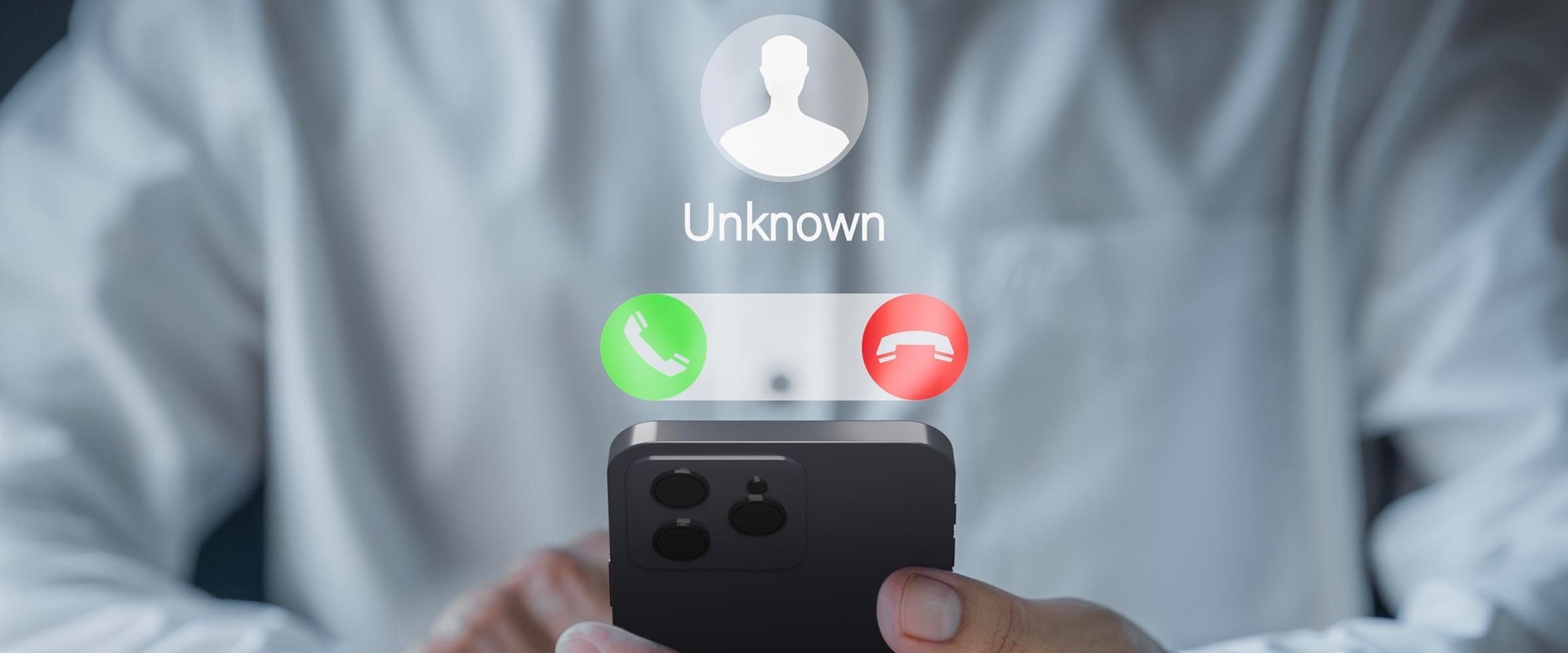
- Use Call-Blocking Apps: Consider using technology to your advantage. Many smartphones have built-in features to block unknown numbers, and there are numerous apps available that can help filter out potential scam calls.
- Trust Your Instincts: If something feels off about the call, trust your gut. Hang up and verify the number through official channels if necessary.
- Do Not Engage: Avoid providing any personal information or engaging in conversation with the caller.
- Report the Call: Report suspicious calls to your phone carrier and local authorities.
This helps track and combat scam operations.
- Block the Number: Use your phone’s blocking feature to prevent future calls from that number.
FAQs About Area Codes and Scams
Understanding area codes and their implications can help you avoid potential scams. Here are some frequently asked questions that clarify common concerns:What is an area code?
An area code is a three-digit number that designates a specific geographic region in the United States. It helps route calls to the correct location and is essential for identifying the origin of a phone number.Are all area codes safe?
No, not all area codes are safe. Some area codes are associated with scams, particularly those that charge high fees for calls or texts.It's wise to be cautious when receiving calls from unfamiliar area codes.
How can I identify a scam call?
- Unsolicited calls: If you receive a call from an unknown number, especially from a suspicious area code, it could be a scam.
- Pressure tactics: Scammers often use high-pressure tactics to get you to act quickly without thinking.
- Requests for personal information: Legitimate organizations will not ask for sensitive information over the phone.
What should I do if I receive a suspicious call?
If you suspect a call is a scam, hang up immediately. You can report the number to the Federal Trade Commission (FTC) or your local authorities. Additionally, consider blocking the number to prevent future calls.Can area codes change?
Yes, area codes can change due to population growth or the need for more phone numbers. New area codes may be introduced, and existing ones may be split or overlaid with new codes. Staying informed about area codes and potential scams can help protect you from fraud.Always verify unknown numbers before engaging in conversation.
Conclusion: Staying Safe with Your Phone Calls
In conclusion, being aware of area codes to avoid is crucial in protecting yourself from potential phone scams. Throughout this article, we have highlighted five specific area codes that are often associated with fraudulent activities. These include 900, 556, 473, 809, and 876. Each of these codes can lead to unexpected charges or scams that can compromise your personal information.Staying safe from phone scams requires vigilance and a proactive approach. Here are some key takeaways to keep in mind:- Do not answer calls from unfamiliar area codes, especially those listed above.
- If you receive a call from a suspicious number, do not engage with the caller.
- Consider using call-blocking apps or features provided by your phone carrier to filter out unwanted calls.
- Stay informed about the latest scams and tactics used by fraudsters.
Remember that legitimate businesses will not pressure you into providing personal information over the phone. If something feels off, trust your instincts and hang up.In summary, being aware of the area codes to avoid is just one part of a larger strategy for phone safety. Always prioritize your security and take the necessary steps to protect yourself from potential threats. Stay vigilant, and don’t hesitate to report any suspicious activity to the authorities.