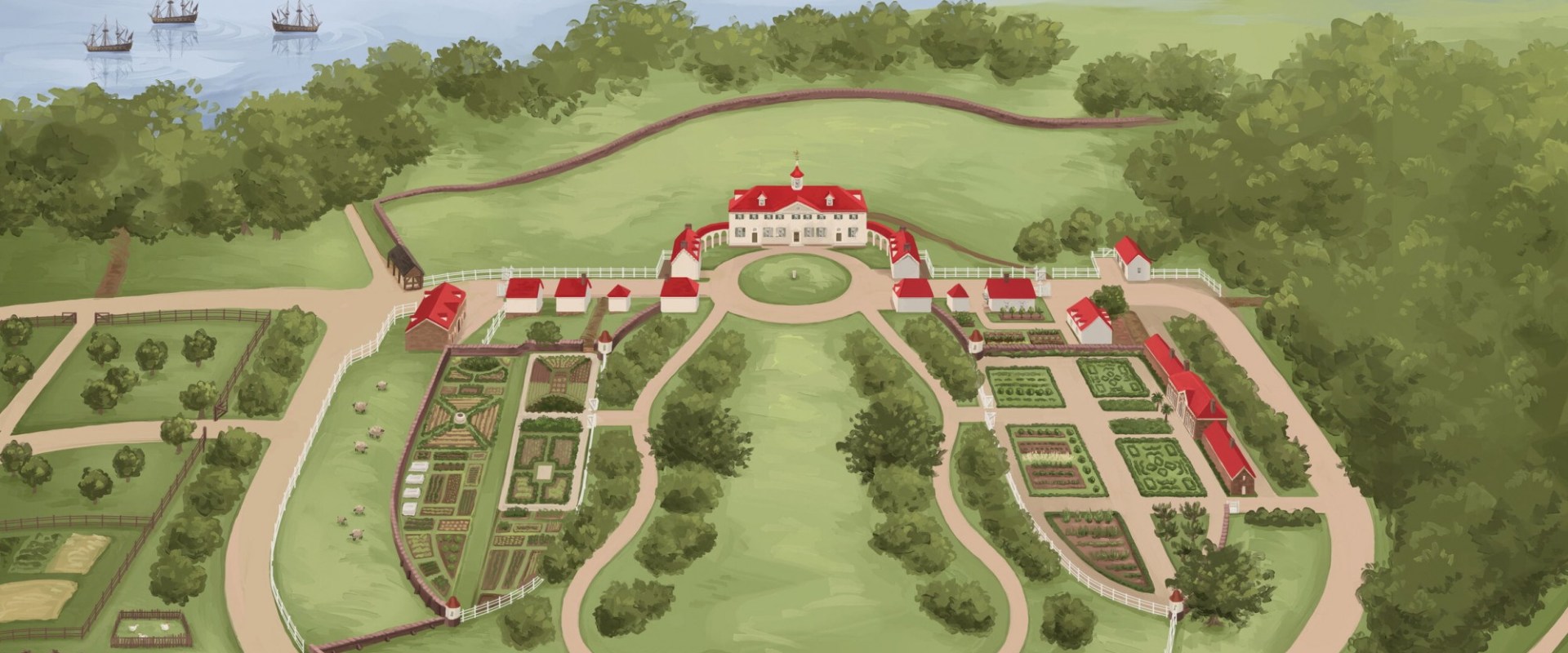
Mount Vernon, the historic estate of George Washington, is not just a significant landmark in American history; it is a symbol of the nation's founding ideals and aspirations. Located on the banks of the Potomac River in Virginia, this sprawling estate covers approximately 8,000 acres, making it a substantial site for both visitors and researchers alike. Understanding the size of Mount Vernon is crucial, as it provides context for the various structures, gardens, and landscapes that have been preserved to reflect the life and times of the first President of the United States. The history of Mount Vernon dates back to the 18th century when Washington inherited the property from his half-brother. Over the years, he transformed it into a plantation that not only served as his home but also as a center for agricultural innovation.
The estate's vast grounds include meticulously maintained gardens, outbuildings, and even a museum that showcases artifacts from Washington's life. This rich tapestry of history makes Mount Vernon an essential destination for anyone interested in understanding America's past. Moreover, the significance of Mount Vernon extends beyond its physical dimensions. It represents a pivotal chapter in American history, embodying the values of leadership, resilience, and vision that Washington exemplified. For visitors, grasping the scale of this estate enhances their appreciation of its historical context and allows them to engage more deeply with the stories that shaped a nation.
Whether you are walking through the lush gardens or exploring the museum's exhibits, knowing how many square feet Mount Vernon encompasses adds another layer to your experience.
The Dimensions of Mount Vernon
Mount Vernon, the historic estate of George Washington, spans an impressive 8,000 square feet in total area. This expansive property is not only significant for its historical value but also for its architectural grandeur and meticulous landscaping.The main house itself, which is the centerpiece of the estate, covers approximately 5,000 square feet. This includes a series of elegantly designed rooms that reflect the neoclassical style popular during Washington's time. The layout features a central hall with adjoining parlors and dining areas, showcasing both functionality and aesthetic appeal.Additional Structures and Grounds
In addition to the main house, Mount Vernon includes several outbuildings that contribute to its overall size:- The Kitchen: A separate structure that was essential for meal preparation, covering around 1,200 square feet.
- The Slave Quarters: These buildings provide insight into the lives of those who worked on the estate and occupy about 1,000 square feet.
- The Barn: Used for agricultural purposes, this structure adds another 1,500 square feet to the estate's footprint.
The estate's layout is designed to reflect both beauty and utility, with pathways that guide visitors through its rich history.Overall, Mount Vernon's dimensions not only highlight its physical size but also its importance as a symbol of American heritage. The combination of the main house and its surrounding structures creates a comprehensive view of life during the 18th century, making it a vital site for historical education and preservation.
Historical Context of Mount Vernon's Size
The Mount Vernon estate, located in Virginia, was the home of George Washington and has a rich history that reflects the evolution of its size and significance. Originally, the estate encompassed approximately 2,000 acres when Washington inherited it in 1754. Over the years, the estate underwent various changes, both in terms of land area and its role in American history.In the early years, Washington focused on agricultural development, which necessitated a large expanse of land for farming and livestock. The estate's size was not just a reflection of wealth but also of Washington's vision for sustainable agriculture.He implemented innovative farming techniques that would later influence American agricultural practices.
Changes in Size Over Time
- In 1775, Washington expanded the estate by acquiring additional land, bringing it to its peak size of around 8,000 acres.
- After Washington's death in 1799, the estate began to shrink due to financial difficulties faced by his heirs.
- By the late 19th century, Mount Vernon had been reduced to about 500 acres.
This area includes not only the mansion but also gardens and outbuildings that reflect the estate's historical context. The preservation efforts highlight the importance of maintaining this landmark as a testament to America's founding history and agricultural heritage.
Comparative Analysis: Mount Vernon vs. Other Historic Estates
When considering the size and significance of Mount Vernon, it is essential to compare it with other notable historic estates. Mount Vernon spans approximately 8,000 square feet of living space, making it a substantial yet intimate estate in the context of American history.In comparison, Monticello, the home of Thomas Jefferson, covers around 11,000 square feet.This difference in size reflects not only the architectural styles of the two estates but also the distinct lifestyles of their owners. Monticello's larger footprint accommodates a more complex design, featuring numerous rooms and intricate details that showcase Jefferson's interests in architecture and science.Another historic estate worth mentioning is Mount Hope, located in Rhode Island. This estate is significantly smaller than both Mount Vernon and Monticello, with a living area of about 5,000 square feet. Despite its size, Mount Hope offers a unique glimpse into colonial life and architecture, emphasizing that size does not always equate to historical importance.When comparing these estates, it becomes clear that while Mount Vernon may not be the largest, its historical significance as the home of George Washington adds layers of meaning to its dimensions.
The estate's well-preserved grounds and structures provide insight into 18th-century plantation life and Washington's legacy.In summary, while Mount Vernon measures around 8,000 square feet, its scale is comparable to other historic estates like Monticello and Mount Hope. Each estate tells a unique story through its size and design, contributing to our understanding of American history.
Visitor Experience at Mount Vernon: What to Expect
Visiting Mount Vernon offers a unique glimpse into the life of George Washington and the history of early America. As you explore this expansive estate, which spans approximately 500 acres, you'll find a variety of attractions that cater to different interests.Upon arrival, visitors are greeted by the historic mansion, which is the centerpiece of the estate. Guided tours provide insights into Washington's life, his family, and the architectural features of the home.The mansion's stunning views of the Potomac River enhance the experience, making it a perfect spot for photography.
Key Areas to Explore
- The Museum and Education Center: This facility offers interactive exhibits that delve into Washington's legacy and the Revolutionary War.
- The Gardens: Stroll through beautifully maintained gardens that reflect 18th-century horticultural practices.
- The Farm: Experience the agricultural side of Mount Vernon with demonstrations of historic farming techniques.
- The Tomb: Pay your respects at Washington's final resting place, located on the estate grounds.
Frequently Asked Questions about Mount Vernon's Size
When it comes to understanding the size of Mount Vernon, visitors often have several questions.Here are some of the most frequently asked questions regarding its size:
- What is the total area of Mount Vernon? Mount Vernon spans approximately 500 acres. This expansive area includes the mansion, gardens, and various outbuildings that were part of George Washington's estate.
- How large is the mansion itself? The main mansion at Mount Vernon is about 11,000 square feet. It features a unique architectural style and is a significant historical landmark.
- Are there walking trails or paths? Yes, Mount Vernon offers several walking trails that allow visitors to explore the estate's natural beauty. The trails cover a variety of terrains, making it easy to enjoy the expansive grounds.
- How does Mount Vernon's size compare to other historic estates? While many historic estates are smaller, Mount Vernon's 500 acres makes it one of the larger estates in the region, providing ample space for exploration and activities.
Whether you're planning a visit or simply curious about this iconic site, knowing its size can enhance your appreciation of its historical context.
Conclusion: The Significance of Understanding Size in Historical Contexts
Understanding the size of Mount Vernon is not merely an exercise in measurement; it serves as a gateway to appreciating the historical significance of this iconic estate. As we have explored, Mount Vernon spans approximately 8,000 acres, a vast expanse that reflects the agricultural practices and lifestyle of the 18th century. This size is not just a number; it encapsulates the estate's role in the life of George Washington, the first President of the United States, and his vision for American agriculture.Moreover, recognizing the dimensions of Mount Vernon allows us to contextualize its importance within the broader narrative of American history. The estate was not only a home but also a working plantation that contributed to the economy of the region.By understanding its size, we can better appreciate the challenges and responsibilities that came with managing such a large property during a time when resources were limited.
- Historical Context: The size of Mount Vernon provides insight into the social and economic structures of early America.
- Cultural Significance: The estate's expansive grounds hosted numerous events that shaped American culture.
- Preservation Efforts: Understanding its size is crucial for ongoing preservation and educational initiatives.