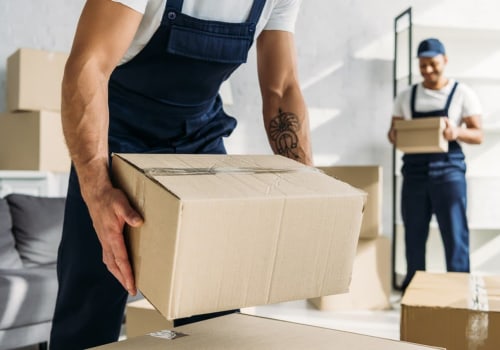
When it comes to moving, packing is often regarded as one of the most daunting tasks. Each room in a home presents its own unique set of challenges, but some rooms are notoriously more difficult to pack than others. Understanding these complexities is crucial for anyone looking to streamline their moving process and minimize stress. From fragile items to bulky furniture, the intricacies of packing can significantly impact the overall efficiency of your move. Among the various spaces in a home, the hardest room to pack often varies from person to person, depending on individual circumstances and belongings.
However, common contenders include the kitchen, with its myriad of dishes and appliances, and the living room, which typically houses large furniture and delicate decor. Each of these areas requires careful consideration and planning to ensure that items are packed securely and efficiently. By recognizing the packing challenges associated with different rooms, you can better prepare yourself for the moving process. This understanding not only helps in organizing your packing strategy but also aids in prioritizing which items need special attention. As we delve deeper into this topic, we will explore the specific difficulties posed by various rooms and offer practical tips to tackle these challenges head-on, ensuring a smoother transition to your new home.
The Living Room: A Hub of Complexity
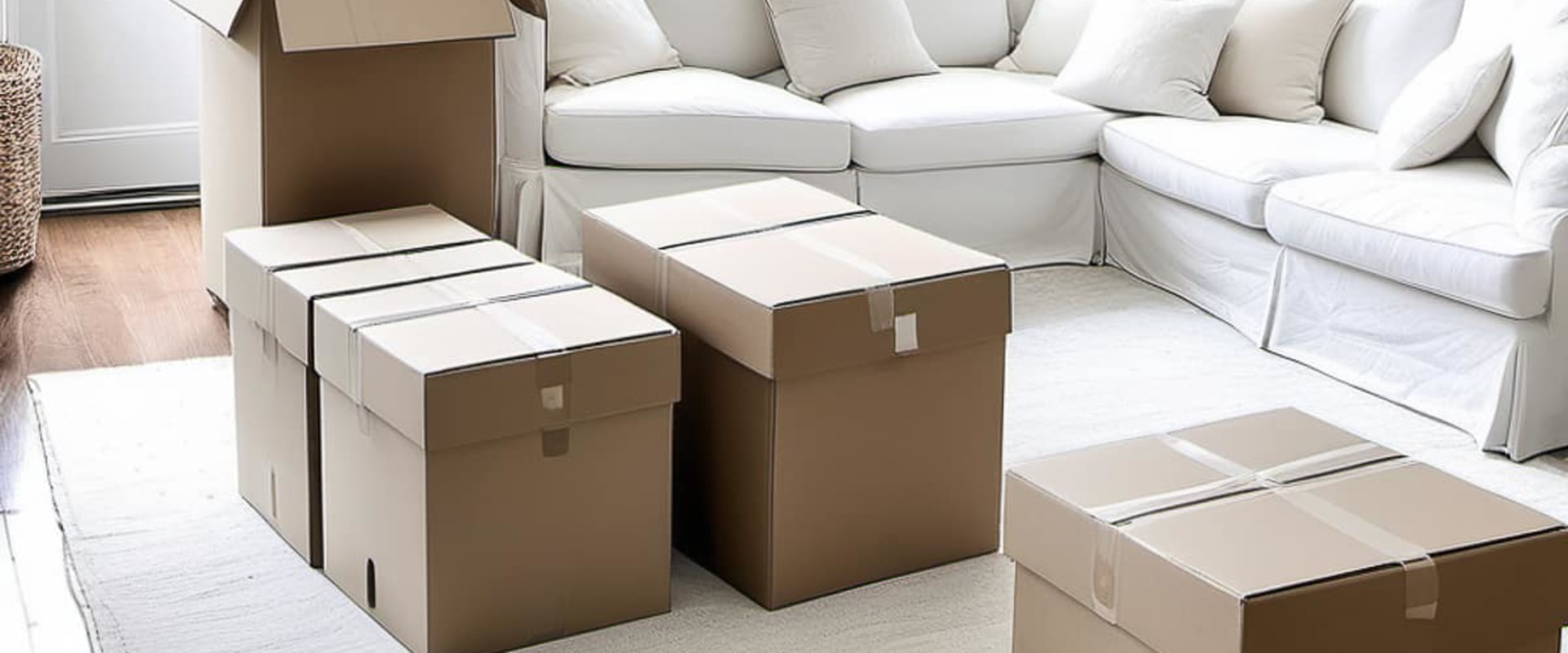
Packing the living room can be a daunting task, primarily due to its diverse array of items.From bulky furniture to delicate electronics and cherished decor, this space often presents unique challenges that require careful planning and execution.
Furniture Packing Tips
When it comes to packing furniture, the first step is to disassemble larger pieces whenever possible. This not only makes them easier to transport but also helps prevent damage during the move. Here are some tips:- Use furniture pads or blankets to protect surfaces from scratches.
- Keep screws and small parts in labeled bags taped to the corresponding furniture.
- Consider using a dolly for heavy items to avoid injury.
Electronics Packing
Packing electronics requires extra caution due to their fragility. Follow these guidelines to ensure your devices arrive safely:- Original boxes are ideal for packing electronics, as they provide the best fit and protection.
- If original boxes are unavailable, use sturdy boxes with ample padding, such as bubble wrap or foam.
- Label all cords and cables clearly, and consider using zip ties or twist ties to keep them organized.
Books, games, and decorative pieces can easily be overlooked but should be packed with care:
- Use small boxes for heavy items like books to avoid overloading.
- Wrap fragile decor in bubble wrap or packing paper before placing them in boxes.
The Kitchen: A Packing Puzzle
Packing the kitchen can often feel like solving a complex puzzle, especially when it comes to managing fragile items and bulky appliances. The kitchen is typically filled with a variety of items that require careful handling, making it one of the hardest rooms to pack when moving.Strategies for Packing Fragile Items
When it comes to fragile items such as dishes, glassware, and ceramics, proper packing is essential to prevent breakage. Here are some effective tips:- Use quality packing materials: Invest in sturdy boxes and plenty of bubble wrap or packing paper.
Avoid using old boxes that may not hold up during the move.
- Wrap each item individually: Take the time to wrap each fragile item separately. This extra layer of protection can make a significant difference.
- Fill empty spaces: Use crumpled paper or packing peanuts to fill any gaps in the box. This prevents items from shifting during transport.
Packing Kitchen Appliances
Kitchen appliances can be cumbersome and heavy, requiring special attention during packing:- Unplug and clean: Before packing, ensure all appliances are unplugged and cleaned. This helps avoid any mess during the move.
- Keep cords organized: Use zip ties or rubber bands to keep cords neatly bundled.
This prevents tangling and makes unpacking easier.
- Use original boxes if possible: If you still have the original packaging for your appliances, use them. They are designed to protect the item during transport.
Food Storage Considerations
Packing food can also pose challenges, especially perishable items:- Plan ahead: As your moving day approaches, start using up perishable items to minimize what needs to be packed.
- Pack non-perishables strategically: Group similar items together and label boxes clearly. This will make it easier to find what you need in your new kitchen.
The Bedroom: Personal Items and Sentimental Value
Packing the bedroom can often be one of the most challenging tasks during a move, primarily due to the personal items and sentimental value attached to many belongings. From clothing to cherished keepsakes, each item tells a story, making it difficult to decide what to keep and what to let go.To streamline the packing process, consider the following bedroom packing tips:- Start Early: Begin packing well in advance of your moving date.
This will give you ample time to sort through your belongings without feeling rushed.
- Sort and Declutter: Go through your clothing and personal items systematically. Create three piles: keep, donate, and discard. This not only reduces the number of items you need to pack but also helps you let go of things you no longer use.
- Use Quality Packing Materials: Invest in sturdy boxes, bubble wrap, and packing tape. For clothing, consider using wardrobe boxes that allow you to hang clothes directly, minimizing wrinkles.
- Label Everything: Clearly label each box with its contents and the room it belongs to.
This will make unpacking much easier and help you locate essential items quickly.
- Roll Your Clothes: Rolling instead of folding can save space and reduce wrinkles.
- Pack by Season: If you're moving during a season change, pack off-season clothing first. This allows you to prioritize essentials for immediate use.
- Utilize Suitcases: Use your suitcases for packing heavier items like shoes or books, which can help save space in boxes.
Here are some tips for handling these precious items:
- Create a Memory Box: Designate a special box for keepsakes that you want to preserve. Limit yourself to this box to avoid overpacking.
- Document Your Items: Take photos of larger sentimental items that may not fit in your new space. This way, you can cherish the memories without needing physical space.
- Involve Family Members: If you're moving with family, discuss which sentimental items are important to each person. This can help in making decisions about what to keep.
By implementing these strategies for organizing clothing and handling sentimental items, you can make the process smoother and more efficient.
The Bathroom: Small but Challenging
Packing a bathroom can often feel like a daunting task, despite its small size. The challenge lies in the multitude of toiletries and small items that need to be organized efficiently. Here are some effective bathroom packing tips to help streamline the process.- Sort and Declutter: Before you start packing, take the time to go through your bathroom items. Discard any expired products, empty containers, or items you no longer use.
This will not only lighten your load but also make packing easier.
- Group Similar Items: Organize your toiletries into categories such as skincare, haircare, and oral hygiene. This will help you keep track of what you have and make unpacking at your new home much simpler.
- Use Clear Containers: Invest in clear plastic bins or ziplock bags to store smaller items. Label each container with its contents to easily identify what’s inside when you arrive at your new place.
- Protect Fragile Items: If you have glass bottles or delicate items, wrap them in bubble wrap or towels to prevent breakage during the move. Place these items in a sturdy box with cushioning material.
This not only saves space but also makes it easier to access your essentials during the transition. Additionally, keep a small bag with your daily necessities handy so you won’t have to rummage through boxes for items like toothpaste or deodorant.Lastly, remember to pack a bathroom essentials moving kit that includes everything you'll need for the first few days in your new home. This kit should contain items like toilet paper, soap, towels, and any medications you may need. Having these essentials readily available will ease the stress of moving and help you settle in more comfortably.
The Garage: Tools and Equipment Dilemmas
Packing the garage can often feel like a daunting task due to the sheer variety of items it houses.From tools to outdoor equipment, each category requires a different approach to ensure safe and efficient packing.
Organizing Your Tools
Start by categorizing your tools into groups such as hand tools, power tools, and gardening tools. This not only makes packing easier but also helps you keep track of what you have. Use clear plastic bins or toolboxes to store smaller items, and label each container for quick identification. For larger tools, consider using a tool chest or pegboard to keep everything organized and accessible during the move.Outdoor Equipment Considerations
When it comes to outdoor equipment, such as lawnmowers, bicycles, or camping gear, special care is needed.Clean and dry all items before packing to prevent mold and rust. Disassemble larger items when possible; for example, take off the handlebars of a bike or remove the grass catcher from a lawnmower. This will save space and make transportation easier.
Safety First
Don’t forget about safety when packing your garage. Ensure that any hazardous materials, such as paints, chemicals, or propane tanks, are packed according to local regulations.It’s often best to dispose of these items properly rather than moving them.
Final Packing Tips
- Use sturdy boxes: Choose boxes that can handle the weight of your tools and equipment.
- Fill empty spaces: Use towels or packing paper to fill gaps in boxes to prevent shifting during transport.
- Keep essentials accessible: Pack a separate box with essential tools you might need immediately after the move.
Special Considerations for Packing Difficult Rooms
Packing can be a daunting task, especially when it comes to difficult rooms like the kitchen, garage, or home office. Each of these spaces presents unique challenges that require tailored packing strategies. Here are some special considerations to keep in mind when tackling these tricky areas:1.Kitchen Packing Tips
- Use dish packs: Invest in sturdy dish pack boxes for fragile items like plates and glassware.
These boxes provide extra cushioning and protection.
- Label everything: Clearly label boxes with their contents and the room they belong to. This will save time during unpacking.
- Pack strategically: Place heavier items at the bottom of boxes and lighter items on top to prevent breakage.
2.Garage Packing Strategies
- Sort and declutter: Before packing, take the time to sort through tools, equipment, and seasonal items. Donate or discard anything you no longer need.
- Use clear bins: For smaller items, use clear plastic bins to easily identify contents without opening each box.
- Group similar items: Keep similar tools and supplies together to streamline the unpacking process.
3.Home Office Considerations
- Backup important data: Ensure all digital files are backed up before packing your computer and other electronic devices.
- Organize paperwork: Sort through documents and keep essential papers in a labeled folder or box for easy access.
- Disassemble furniture: If you have large office furniture, disassemble it to make transportation easier and prevent damage.
FAQs About Packing Difficult Rooms
When it comes to moving, certain rooms present unique challenges that can make packing a daunting task.Here are some frequently asked questions regarding the hardest rooms to pack and tips to tackle them effectively.
Which room is the hardest to pack?
The garage is often considered the hardest room to pack due to its diverse range of items, including tools, outdoor equipment, and seasonal decorations. The lack of organization in many garages can make it difficult to determine what to keep, donate, or discard.What are some tips for packing a garage?
- Sort and categorize: Before packing, sort items into categories such as tools, sports equipment, and gardening supplies.
- Use clear bins: Store smaller items in clear plastic bins for easy visibility and access.
- Label everything: Clearly label boxes and bins to simplify unpacking at your new home.
Are there other challenging rooms?
Yes, other rooms can also pose challenges:- The kitchen: With fragile dishes, appliances, and various utensils, careful packing is essential.
- The living room: Large furniture pieces and delicate decor require special attention to avoid damage.
- The home office: Electronics and paperwork need organized packing to ensure nothing is lost or damaged.
How can I make packing easier?
To streamline the packing process:- Create a timeline: Start early and set deadlines for each room.
- Enlist help: Don’t hesitate to ask friends or family for assistance.
- Hire professionals: Consider hiring professional movers who can provide packing services for particularly challenging rooms.
Conclusion: Mastering the Art of Packing for Your Move
In conclusion, packing for a move can be a daunting task, especially when it comes to identifying the hardest room to pack. Throughout this article, we explored various rooms in a home, highlighting that while many may assume the kitchen is the most challenging due to its myriad of fragile items and appliances, the garage often proves to be even more complex. With its combination of tools, outdoor equipment, and often neglected items, the garage can become a chaotic puzzle that requires careful planning and organization.To master the art of packing, consider these key strategies:- Start Early: Begin your packing process well in advance to avoid last-minute stress.
- Declutter: Take the opportunity to sort through your belongings.
Donate or discard items you no longer need.
- Use Quality Packing Materials: Invest in sturdy boxes, bubble wrap, and packing tape to protect your items during transit.
- Label Everything: Clearly label boxes by room and contents to make unpacking easier at your new home.
- Prioritize Essentials: Pack a separate box with essential items you’ll need immediately upon arrival.