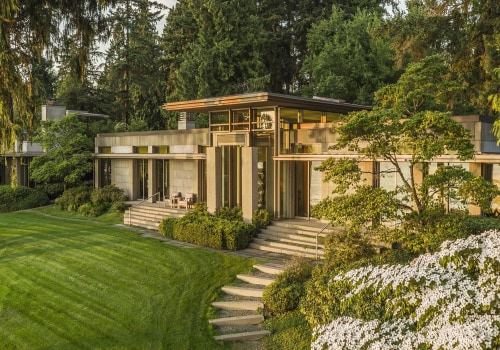
The average price of a mansion in the United States is a topic that captivates both potential buyers and real estate enthusiasts alike. As the luxury real estate market continues to evolve, understanding the factors that influence mansion pricing becomes essential for anyone looking to invest in high-end properties. From sprawling estates in the Hamptons to modern architectural marvels in Los Angeles, the diversity of mansions across the country reflects not only regional preferences but also varying economic conditions.In recent years, mansion pricing trends have shown significant fluctuations, driven by a combination of demand, location, and unique property features. For instance, urban areas with booming tech industries have seen a surge in luxury home prices, while more rural regions may offer larger properties at comparatively lower costs.
This disparity highlights the importance of location when assessing the value of a mansion. Additionally, factors such as amenities, historical significance, and architectural style can further elevate a property's market value.As we delve deeper into this topic, we will explore not only the current average prices but also the underlying trends shaping the luxury real estate market. Understanding these dynamics will provide valuable insights for prospective buyers and investors aiming to navigate this competitive landscape effectively.
Current Average Price of Mansions in the US
The current average price of mansions in the United States varies significantly based on location, size, and amenities. As of 2023, the national average price for a mansion is approximately $1.5 million.However, this figure can fluctuate widely depending on the state and city.For instance, in high-demand areas such as California and New York , the average prices soar. In Los Angeles, the average mansion price can reach around $3 million, while in Manhattan, it can exceed $5 million. These cities are known for their luxurious properties that often come with stunning views and exclusive features.Conversely, states like Texas and Florida offer more affordable options. In Houston, for example, the average mansion price is about $1.2 million, while in Miami, it hovers around $1.8 million.
These regions provide spacious homes with luxurious amenities at a relatively lower cost compared to coastal cities.
Key Factors Influencing Mansion Prices:
- Location: Proximity to urban centers, beaches, and exclusive neighborhoods significantly impacts pricing.
- Size: Larger homes with more square footage typically command higher prices.
- Amenities: Features such as swimming pools, home theaters, and smart home technology can elevate a mansion's value.
- Market Trends: Economic conditions and real estate market trends also play a crucial role in determining prices.
Factors Influencing Mansion Prices
The price of a mansion is influenced by a multitude of factors that can vary significantly from one location to another. Understanding these determinants of property value is essential for both buyers and sellers in the luxury real estate market.- Location: The adage "location, location, location" holds particularly true in the mansion market. Properties situated in prestigious neighborhoods or near desirable amenities such as beaches, golf courses, or cultural landmarks tend to command higher prices. For instance, mansions in areas like Beverly Hills or Manhattan often sell for millions more than similar properties in less sought-after regions.
- Size and Layout: The overall size of the mansion, including the number of bedrooms and bathrooms, plays a crucial role in determining its price.
Larger homes with expansive layouts and additional features such as guest houses or home theaters can significantly increase value.
- Amenities: Luxury amenities can greatly enhance a mansion's appeal and price. Features such as swimming pools, wine cellars, smart home technology, and high-end finishes are attractive to buyers looking for opulence and comfort. The presence of unique elements like a private gym or a home spa can also set a property apart.
- Market Demand: The current state of the real estate market can influence mansion prices dramatically. In a seller's market where demand exceeds supply, prices tend to rise.
Conversely, during economic downturns or when there is an oversupply of luxury homes, prices may stagnate or decline.
- Historical Significance: Some mansions come with a rich history or architectural significance that can add to their value. Properties that are recognized as historical landmarks or have been designed by renowned architects often attract premium prices.
Regional Variations in Mansion Prices
The average price of a mansion in the United States can vary significantly based on regional markets. Understanding these regional variations is crucial for potential buyers and investors looking to enter the luxury real estate market.California
is often at the forefront of high-end real estate, with cities like Los Angeles and San Francisco boasting some of the most expensive mansions in the country.
In Los Angeles, the average price for a mansion can exceed $5 million, particularly in affluent neighborhoods such as Beverly Hills and Bel Air. Meanwhile, San Francisco's tech-driven economy has pushed mansion prices to similar heights, with averages around $4 million.
New York
, particularly Manhattan, presents another luxury market where mansion prices soar. Here, the average price for a luxury home can reach upwards of $6 million. The exclusive neighborhoods of Upper East Side and Tribeca are known for their opulent properties, often featuring stunning views and historic architecture.
Florida
, known for its warm climate and vibrant lifestyle, also has a thriving luxury market.
Cities like Miami and Palm Beach attract wealthy buyers, with average mansion prices around $3 million. The waterfront properties in these areas often come with premium price tags due to their desirable locations.Other states also contribute to the diverse landscape of mansion prices:
- Texas: Cities like Dallas and Austin have seen a rise in luxury real estate, with average prices around $2 million.
- Illinois: In areas like Chicago's Gold Coast, mansions can average around $3 million.
- Massachusetts: The Boston area features mansions averaging about $2.5 million, especially in affluent suburbs.
The Impact of Economic Factors on Mansion Prices
The pricing of mansions in the United States is significantly influenced by various economic factors. Understanding these elements can provide insight into the fluctuations of the luxury real estate market.Interest Rates
One of the most critical economic indicators affecting mansion prices is the interest rate.
When interest rates are low, borrowing becomes cheaper, encouraging more buyers to enter the market. This increased demand can drive up prices, particularly in the luxury segment where buyers are often more sensitive to financing costs. Conversely, when interest rates rise, potential buyers may be deterred by higher mortgage costs, leading to a slowdown in sales and potentially lower prices.
Inflation
Inflation also plays a pivotal role in shaping mansion prices. As the cost of living increases, so do construction and maintenance costs for luxury properties.
This can lead to higher asking prices as sellers seek to maintain their profit margins. Additionally, inflation can erode purchasing power, which may impact the number of buyers willing or able to invest in high-end real estate.
Employment Rates
The state of the job market is another vital factor. High employment rates typically correlate with increased consumer confidence and spending power. When individuals feel secure in their jobs, they are more likely to invest in luxury properties.
On the other hand, during economic downturns or periods of high unemployment, demand for mansions may decrease as potential buyers prioritize financial stability over luxury purchases.
Luxury Market Trends
Finally, broader luxury market trends can influence mansion pricing. For instance, shifts in consumer preferences towards sustainable living or smart home technology can affect what features are deemed desirable in a mansion. As these trends evolve, they can either enhance or diminish property values based on how well a mansion aligns with current buyer expectations.In summary, understanding the interplay between these economic factors is essential for anyone looking to navigate the mansion market effectively. By keeping an eye on interest rates, inflation, employment rates, and luxury trends, potential buyers and investors can make informed decisions that align with current market conditions.
Trends in Luxury Real Estate Market
The luxury real estate market is currently experiencing a dynamic shift influenced by various factors that are reshaping the landscape of high-end properties.Understanding these trends is crucial for potential buyers and investors looking to navigate the future of mansion prices.
1.Increased Demand for Space
- Post-pandemic, many buyers are prioritizing larger homes with ample outdoor space, leading to a surge in demand for mansions that offer privacy and room for remote work.
- This trend is particularly evident in suburban areas, where families are seeking properties that provide both comfort and functionality.
2.Sustainability and Smart Homes
- Luxury buyers are increasingly interested in sustainable features, such as energy-efficient appliances and eco-friendly building materials. This shift towards green living is influencing property values.
- Additionally, the integration of smart home technology is becoming a standard expectation, with features like automated lighting, security systems, and climate control enhancing the appeal of high-end properties.
3.Urban vs. Suburban Preferences
- While urban luxury markets have traditionally dominated, there is a noticeable trend towards suburban living as buyers seek more space and lower density.
- This shift could lead to a reevaluation of property values in urban areas, potentially stabilizing or even decreasing prices in some markets while driving up demand in suburban regions.
4.Global Investment Trends
- The luxury real estate market is also influenced by international buyers looking for safe investments. Cities like Miami and Los Angeles continue to attract foreign investors, which can drive up prices.
- This influx of capital can create competitive bidding situations, further escalating mansion prices in sought-after locations.
Buyers should stay informed about these changes to make strategic decisions that align with their investment goals.
FAQs About Mansion Pricing in the US
When considering the average price of a mansion in the US, potential buyers often have several questions. Here are some of the most frequently asked questions regarding mansion pricing:- What factors influence the price of a mansion?
The price of a mansion can be influenced by various factors including location, size, architectural style, and amenities. For instance, mansions in prime locations like Beverly Hills or Manhattan typically command higher prices due to demand and exclusivity. - How does the real estate market affect mansion prices?
The real estate market is dynamic, and mansion prices can fluctuate based on market conditions. In a seller's market, where demand exceeds supply, prices may rise significantly.Conversely, in a buyer's market, prices may stabilize or decrease.
- Are there additional costs associated with buying a mansion?
Yes, purchasing a mansion often comes with additional costs such as property taxes, maintenance fees, and homeowners association (HOA) dues. It's essential for buyers to factor these into their budget. - What is the average size of a mansion?
While there is no strict definition, a mansion is generally considered to be a large residential property that exceeds 5,000 square feet. However, many mansions can be significantly larger. - Is it worth investing in a mansion?
Investing in a mansion can be worthwhile if done wisely. Factors such as location, market trends, and potential for appreciation should be carefully evaluated.Consulting with real estate experts can provide valuable insights.
Conclusion: Key Takeaways on Mansion Prices in the US
In summary, understanding the average price of a mansion in the US requires a nuanced approach that considers various factors influencing the real estate market. Throughout this article, we have explored key elements that contribute to the pricing of mansions, including:- Location: The geographical area significantly impacts mansion prices, with urban centers and affluent neighborhoods commanding higher prices.
- Size and Amenities: Larger homes with luxurious features such as swimming pools, home theaters, and expansive gardens tend to be priced higher.
- Market Trends: Economic conditions, interest rates, and buyer demand play crucial roles in determining current mansion prices.
- Architectural Style: Unique designs and historical significance can elevate a mansion's value.
As trends continue to evolve, staying updated on market dynamics will be crucial for making informed decisions.