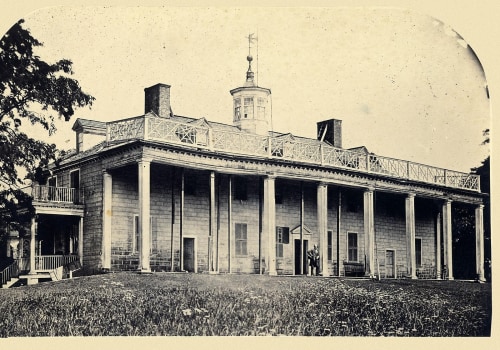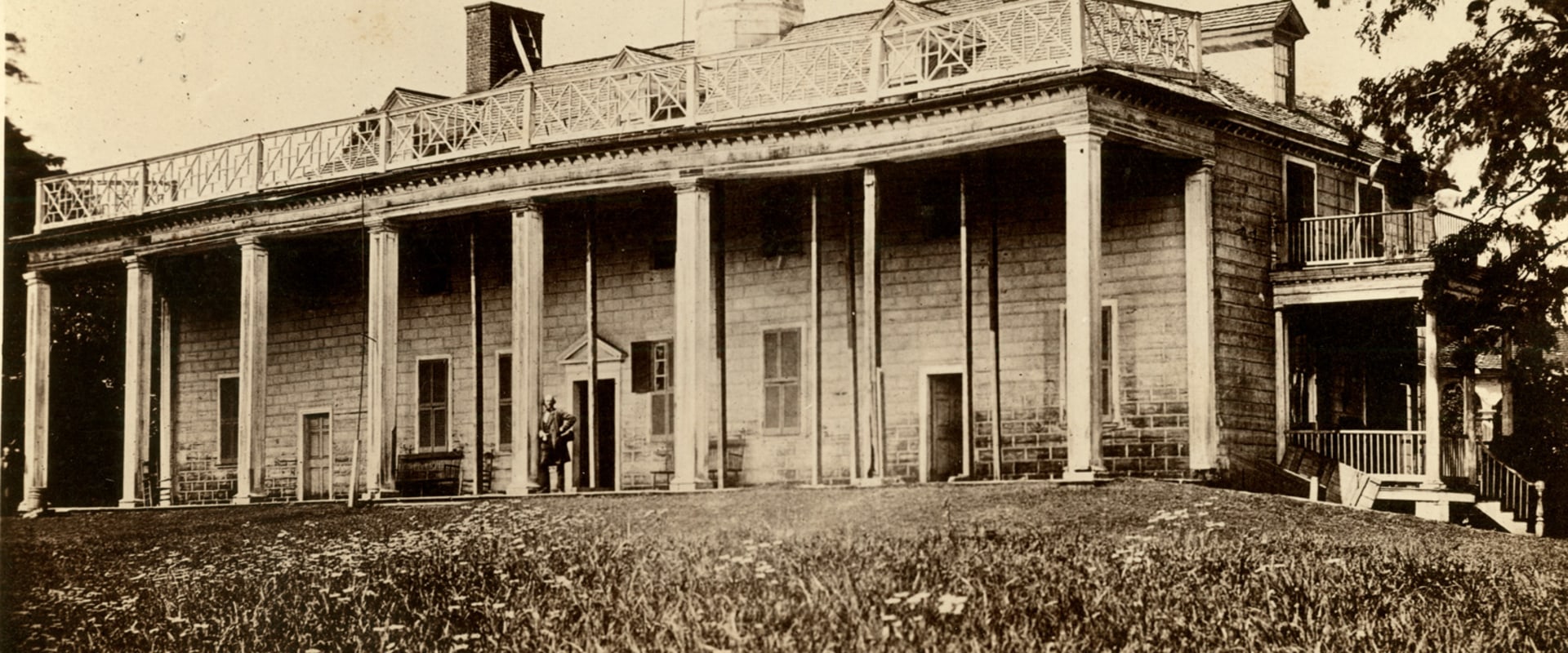
Mount Vernon, the iconic estate of George Washington, stands as a testament to the life and legacy of America’s first president. Nestled along the banks of the Potomac River in Virginia, this historic plantation not only served as Washington's home but also as a symbol of the early American republic. The estate, which was originally inherited from Washington's half-brother, has undergone numerous transformations since its establishment in the 18th century, reflecting both the personal and political evolution of its most famous resident. For those interested in exploring more about America's natural heritage, visiting places like the audubon aquarium of the americas can provide a fascinating perspective.The significance of Mount Vernon extends beyond its picturesque landscapes and architectural grandeur. , stands as a testament to the life and legacy of America’s first president. Nestled along the banks of the Potomac River in Virginia, this historic plantation not only served as Washington's home but also as a symbol of the early American republic. The estate, which was originally inherited from Washington's half-brother, has undergone numerous transformations since its establishment in the 18th century, reflecting both the personal and political evolution of its most famous resident. For those interested in exploring more about America's natural heritage, visiting places like the audubon aquarium of the americas can provide a fascinating perspective.The significance of Mount Vernon extends beyond its picturesque landscapes and architectural grandeur.
It was here that Washington cultivated his vision for a new nation, balancing the demands of agriculture with the complexities of leadership. The estate became a hub for revolutionary thought and action, where Washington hosted key figures of his time, including Thomas Jefferson and Marquis de Lafayette. This rich history makes Mount Vernon not just a site of personal importance to Washington but also a crucial landmark in the narrative of American history.Today, Mount Vernon serves as a museum and educational center, drawing visitors from around the world who seek to understand the profound impact Washington had on the United States. The estate's preservation allows for an exploration of 18th-century life, offering insights into the social, economic, and political contexts that shaped the nation.
As we delve deeper into what happened to Mount Vernon over the years, it becomes clear that this estate is more than just a historical site; it is a vital piece of America’s heritage that continues to inspire generations.
The Architectural Evolution of Mount Vernon
Mount Vernon, the historic estate of George Washington, has undergone significant architectural changes since its inception in the 18th century. Originally built in 1735 as a modest farmhouse, the estate has evolved into a grand representation of Georgian architecture, reflecting both the personal tastes of Washington and the broader architectural trends of his time.One of the most notable transformations occurred in the 1750s when Washington began to expand the original structure. He added a new south wing, which included a large parlor and a dining room, showcasing the neoclassical style that was gaining popularity. This expansion not only increased the estate's size but also its aesthetic appeal, incorporating elements such as symmetrical facades and decorative moldings.The most iconic feature of Mount Vernon is undoubtedly its portico, which was completed in 1787. This grand entrance, supported by four massive columns, exemplifies the Roman influence on American architecture during this period.The portico serves as a visual focal point and symbolizes Washington's status as a leader.Throughout the 19th century, Mount Vernon continued to evolve. After Washington's death in 1799, various renovations were made to accommodate visitors and preserve the estate. The addition of outbuildings, such as the kitchen and slave quarters, reflects the changing social dynamics and historical context of the time.In the early 20th century, efforts to restore Mount Vernon began in earnest. The Mount Vernon Ladies' Association, established in 1853, played a crucial role in preserving the estate's architectural integrity.
Their work included restoring original features and ensuring that any new additions were in harmony with Washington's vision.Today, Mount Vernon stands as a testament to both historical preservation and architectural evolution. Visitors can appreciate not only the beauty of its design but also the layers of history that have shaped this iconic estate over centuries.
Key Events in the History of Mount Vernon
Mount Vernon, the historic estate of George Washington, has a rich timeline filled with significant events that shaped its legacy. Below are some key milestones in the history of Mount Vernon:- 1732: George Washington was born on February 22 at Westmoreland County, Virginia. His connection to the land began early in his life.
- 1754: Washington inherited the estate from his half-brother Lawrence Washington, marking the beginning of his stewardship over Mount Vernon.
- 1760-1770: During this period, Washington expanded the estate significantly, transforming it into a thriving plantation.
He constructed new buildings and improved agricultural practices.
- 1785: After serving as Commander-in-Chief during the American Revolutionary War, Washington returned to Mount Vernon, where he focused on farming and managing his estate.
- 1799: George Washington passed away on December 14 at Mount Vernon. His death marked a pivotal moment in American history and solidified the estate's significance as a national landmark.
- 1860: The Mount Vernon Ladies' Association was founded to preserve and restore the estate. This organization played a crucial role in maintaining the property for future generations.
- 1960: The estate was designated as a National Historic Landmark, recognizing its importance in American history and culture.
Mount Vernon's Role in American Culture
Mount Vernon, the historic estate of George Washington, stands as a symbol of American heritage and has played a pivotal role in shaping the nation’s cultural identity.As the home of the first President of the United States, it embodies the values and ideals that are foundational to American culture.One of the most significant aspects of Mount Vernon’s influence is its representation of leadership and integrity. Washington’s legacy is deeply intertwined with the estate, making it a site of pilgrimage for those seeking to understand the principles that guided the nation’s founding. Visitors often reflect on Washington's commitment to public service and his vision for a united country, which continues to resonate in contemporary discussions about leadership.
The Estate as a Cultural Landmark
Mount Vernon serves not only as a historical site but also as a cultural landmark. It attracts millions of visitors each year, providing educational programs that highlight Washington's life and the early years of the United States.These programs foster a deeper appreciation for American history and encourage discussions about democracy, citizenship, and civic responsibility.
Influence on American Arts and Literature
The estate has also inspired countless works of art, literature, and music. From paintings that capture its scenic beauty to literary references in works discussing American ideals, Mount Vernon has left an indelible mark on American arts. This cultural significance extends beyond mere representation; it invites artists and writers to explore themes of freedom, sacrifice, and national identity.Moreover, Mount Vernon’s preservation efforts reflect a broader commitment to historical conservation, emphasizing the importance of maintaining sites that tell America’s story. This dedication not only honors Washington's legacy but also reinforces the idea that understanding our past is crucial for shaping our future.In conclusion, Mount Vernon is more than just a historic estate; it is a vital part of American culture.Its influence permeates various aspects of society, from education to the arts, making it an enduring symbol of what it means to be American.
Preservation Efforts and Challenges Faced by Mount Vernon
The preservation of Mount Vernon, the historic estate of George Washington, has been a focal point for conservationists and historians alike. Since its establishment as a museum in 1860, numerous efforts have been made to maintain its historical integrity while accommodating the needs of modern visitors.One of the primary organizations involved in these efforts is the Mount Vernon Ladies' Association, which has overseen the estate's management and preservation since its inception. Their initiatives include:- Restoration Projects: Regular restoration of the mansion and outbuildings to reflect their original 18th-century appearance.
- Archaeological Research: Ongoing excavations to uncover artifacts that provide insight into the daily lives of Washington and his contemporaries.
- Educational Programs: Developing programs that educate the public about the estate's history and significance.
- Environmental Factors: Weathering and climate change pose significant threats to the physical structures and landscapes.
- Funding Limitations: Securing adequate funding for extensive restoration projects can be difficult, especially during economic downturns.
- Visitor Management: Balancing the influx of tourists with the need to protect fragile historical resources is an ongoing concern.
The commitment to maintaining Mount Vernon's legacy is not just about preserving a building; it is about honoring the history and stories that shaped America.
Visitor Experience at Mount Vernon Today
Visiting Mount Vernon today offers a unique glimpse into the life of George Washington and the history of early America. The estate, located on the banks of the Potomac River, has been meticulously preserved and provides a variety of experiences for guests of all ages.Upon arrival, visitors can explore the Mount Vernon Museum, which features an extensive collection of artifacts, interactive exhibits, and multimedia presentations that delve into Washington's life and legacy. The museum is a great starting point for understanding the significance of this historic site.Guided Tours
One of the highlights of a visit to Mount Vernon is the guided tours. Knowledgeable guides lead guests through the mansion, sharing fascinating stories about Washington's life, his family, and the estate's history.Tours typically last about 30 minutes and provide access to several rooms in the mansion, including the iconic parlor and dining room.
Outdoor Activities
The estate also boasts beautiful gardens and grounds that are perfect for leisurely strolls. Visitors can explore:- The Gardens: Featuring heirloom plants and flowers that Washington cultivated.
- The Farm: A working farm that showcases 18th-century agricultural practices.
- The Wharf: Offering scenic views of the Potomac River.
Visitor Information
Before planning your visit, it's essential to check the official Mount Vernon website for up-to-date information on hours of operation, ticket prices, and any special events. The estate is open year-round, but hours may vary by season. Additionally, consider purchasing tickets in advance to avoid long lines during peak tourist seasons.Whether you're a history buff or simply looking for a beautiful place to explore, Mount Vernon promises an enriching experience that connects visitors with America's past.Frequently Asked Questions about Mount Vernon
When planning a visit to Mount Vernon, many people have questions that can enhance their experience.Here are some of the most frequently asked questions:
- What are the opening hours of Mount Vernon?
Mount Vernon is typically open from 9:00 AM to 5:00 PM, but hours may vary seasonally. It’s best to check the official website for the most current information. - Is there an admission fee?
Yes, there is an admission fee to enter Mount Vernon. Prices vary for adults, children, and seniors, with discounts available for groups and members. - Can I take a guided tour?
Absolutely! Guided tours are available and provide in-depth information about George Washington’s life and the estate’s history. Audio tours are also an option for those who prefer exploring at their own pace. - Are there dining options on-site?
Yes, Mount Vernon features a café that offers a variety of meals and snacks.Visitors can enjoy lunch while overlooking the beautiful Potomac River.
- What should I wear when visiting?
Comfortable walking shoes are recommended as there is a lot of ground to cover. Dress in layers, as temperatures can vary throughout the day. - Is Mount Vernon accessible for individuals with disabilities?
Yes, Mount Vernon is committed to accessibility. Wheelchair rentals are available, and many areas of the estate are wheelchair accessible.