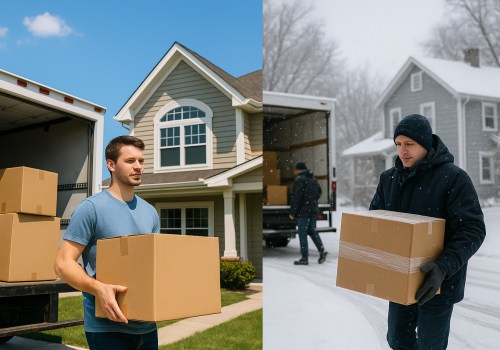
Moving can be an overwhelming experience, filled with excitement and anxiety in equal measure. Understanding the moving process is crucial to ensuring a smooth transition from one home to another. From the moment you decide to relocate, a series of tasks and decisions await you, each playing a vital role in the overall success of your move. Knowing what to prioritize can make all the difference in reducing stress and enhancing efficiency. One of the first steps in this journey is developing a solid packing strategy.
This involves not only determining what items to take with you but also figuring out the order in which to pack them. By focusing on essential items first, you can create a more manageable moving experience. For instance, packing your daily necessities and valuable items should take precedence over less critical belongings. This approach not only helps you stay organized but also ensures that you have access to what you need during the transition. As we delve deeper into the specifics of what to move first, it’s important to keep in mind that every move is unique.
Factors such as the size of your household, the distance of your move, and your personal circumstances will influence your packing priorities. By understanding these elements and applying effective moving tips, you can navigate this complex process with greater ease and confidence.
Assessing Your Current Home
Before you start packing, it’s essential to assess your current home and belongings. This evaluation will help you prioritize what to move first and streamline the entire moving process.Begin by conducting a thorough walkthrough of your home. Take note of each room and its contents.Here are some key aspects to evaluate:
- Condition of Items: Check the condition of your furniture, appliances, and personal belongings. Identify items that are damaged or no longer serve a purpose.
- Sentimental Value: Consider items that hold emotional significance. These may be worth moving first, as they can provide comfort during the transition.
- Frequency of Use: Evaluate how often you use certain items. Essentials like kitchenware and clothing should be prioritized over seasonal decorations or rarely used gadgets.
- Size and Weight: Larger and heavier items may require more time and effort to move.
Plan to tackle these first, especially if you have limited help.
Prioritizing Essential Items
When preparing for a move, knowing what to take first can significantly ease the transition into your new home.Prioritizing essential items ensures that you have everything you need to settle in comfortably without unnecessary stress.Start by identifying the items that are crucial for your daily routine. Here’s a list of moving essentials to consider packing first:
- Personal Documents: Keep important documents such as passports, birth certificates, and financial records in a secure folder. This will help you access them easily when needed.
- Medications: Pack any prescription medications and a basic first-aid kit. Having these on hand will ensure you can address any health needs immediately.
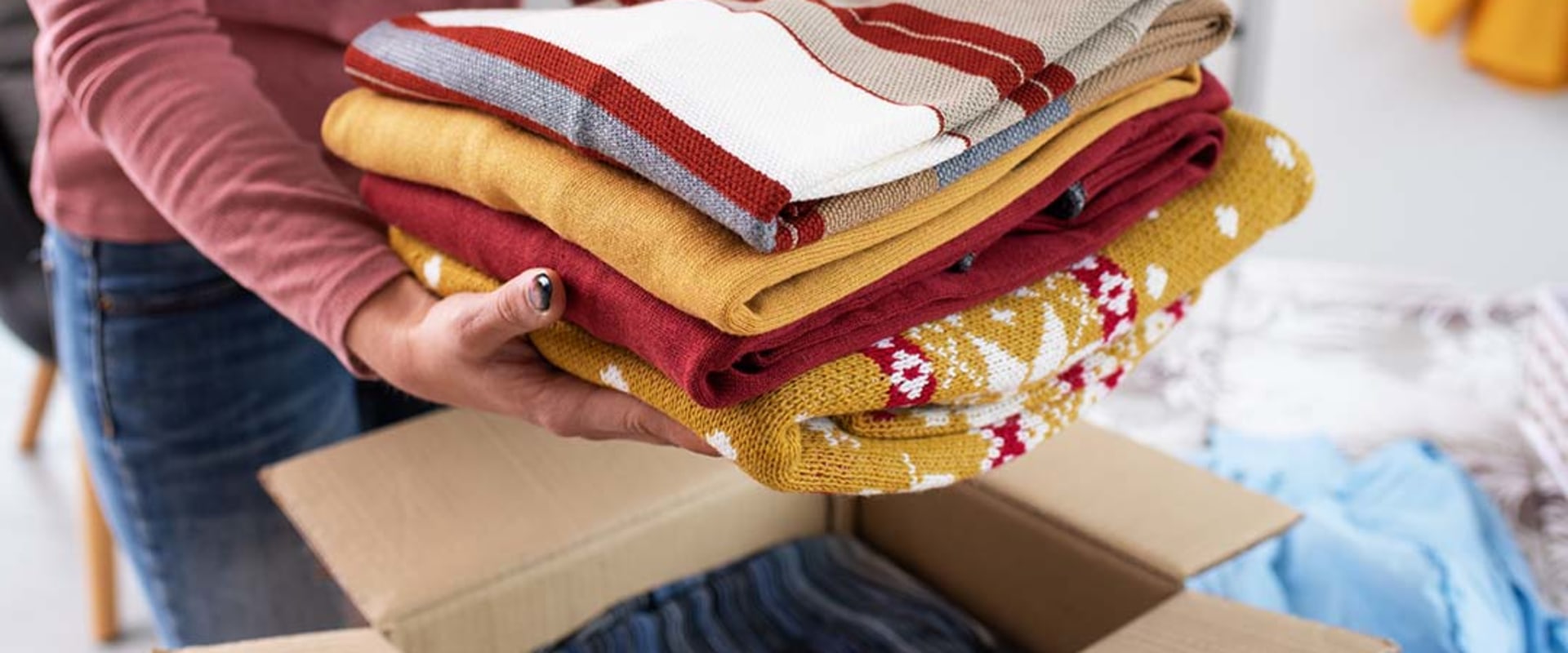
- Clothing: Select a few days' worth of clothing appropriate for the weather in your new location.
Include comfortable outfits and any special attire you may need.
- Toiletries: Gather essential toiletries like toothbrushes, toothpaste, soap, and shampoo. These items are vital for maintaining hygiene during the moving process.
- Kitchen Essentials: Pack a few basic kitchen items such as a pot, pan, utensils, and some non-perishable food items. This will allow you to prepare simple meals right away.
- Bedding: Don’t forget to pack sheets, pillows, and blankets. A good night’s sleep is crucial after a long day of moving.
This box should contain all the items you’ll need immediately upon arrival at your new home. Label it clearly so it’s easy to find amidst the chaos of unpacking.By prioritizing these essential items, you can ensure that your first few days in your new home are as smooth and comfortable as possible. Remember, the key is to think about what you use daily and what will make your transition easier.
Packing Strategies for a Smooth Move
When it comes to moving, having a solid packing strategy can make all the difference in ensuring a smooth transition. Here are some effective tips to help you pack efficiently:- Start Early: Begin packing well in advance of your moving date.
This allows you to tackle one room at a time without feeling rushed.
- Declutter First: Before you start packing, go through your belongings and decide what to keep, donate, or discard. This will reduce the number of items you need to pack and move.
- Gather Quality Packing Supplies: Invest in sturdy boxes, bubble wrap, packing tape, and markers. Having the right materials will protect your items and make the packing process smoother.
- Pack Room by Room: Focus on one room at a time. This method helps keep your packing organized and makes it easier to unpack at your new home.
- Label Everything: Clearly label each box with its contents and the room it belongs to.
This will save you time when unpacking and help you locate essential items quickly.
- Use Smaller Boxes for Heavy Items: When packing books or other heavy items, use smaller boxes to make them easier to lift. This prevents injury and makes loading the moving truck more manageable.
- Protect Fragile Items: Wrap fragile items in bubble wrap or clothing to prevent breakage. Place these items in boxes marked as "fragile" for extra care during the move.
Remember, a well-planned packing strategy not only saves time but also reduces stress during what can be a hectic process.
Creating a Moving Timeline
Creating a moving timeline is essential for a smooth transition to your new home. A well-structured moving schedule helps you stay organized and reduces the stress associated with packing and relocating. Start by determining your moving date, then work backward to outline key tasks.1.Two Months Before the Move:
- Begin decluttering your home. Sort items into categories: keep, donate, and discard.
- Create a list of all the tasks you need to complete before moving day.
- Research moving companies or rental trucks if you plan to do it yourself.
2.One Month Before the Move:
- Start packing non-essential items, such as seasonal clothing and decor.
- Notify your utility companies of your move and schedule disconnection and reconnection dates.
- Gather packing supplies like boxes, tape, and bubble wrap.
3.Two Weeks Before the Move:
- Pack up the majority of your belongings, leaving only daily essentials unpacked.
- Confirm arrangements with your moving company or finalize your rental truck reservation.
- Begin notifying friends and family of your new address.
4.One Week Before the Move:
- Finish packing all remaining items, including kitchenware and toiletries.
- Create an inventory list of packed boxes to keep track of your belongings during the move.
- Prepare a moving day kit with essentials like snacks, water, and important documents.
5.Moving Day:
- Ensure everything is packed and ready to go before the movers arrive or you pick up your rental truck.
- Do a final walkthrough of your old home to ensure nothing is left behind.
- Communicate clearly with your movers about where to place items in your new home.
By following these steps, you can make your move as efficient and stress-free as possible.
Handling Special Items
When it comes to moving special items, careful planning and execution are essential to ensure their safety during the transition. Special items can include anything from fragile glassware to oversized furniture, each requiring unique handling techniques.Packing Fragile Items
To protect your fragile belongings, follow these steps:- Gather Supplies: Use sturdy boxes, bubble wrap, packing paper, and tape. Avoid using old or damaged boxes that may not provide adequate protection.
- Wrap Each Item: Individually wrap fragile items in bubble wrap or packing paper. For glassware, consider double-wrapping for extra cushioning.
- Fill Empty Spaces: Place crumpled packing paper or foam peanuts in the box to prevent items from shifting during transport.
- Label Clearly: Mark boxes containing fragile items with "FRAGILE" and indicate which side should face up.
This will alert movers to handle these boxes with care.
Moving Large Furniture
Large furniture pieces can be challenging to move, but with the right approach, you can minimize damage and make the process smoother:- Disassemble When Possible: Take apart large items like beds, tables, and shelves. Keep screws and small parts in labeled bags taped to the corresponding furniture.
- Use Proper Equipment: Utilize dollies, moving straps, and blankets to lift and transport heavy furniture safely. This equipment can help prevent injuries and damage to your belongings.
- Measure Doorways and Hallways: Before moving large items, measure doorways and hallways to ensure they will fit through without getting stuck or causing damage.
FAQs About Moving Priorities
When planning a move, many people have questions about the order in which to pack and transport their belongings.Here are some frequently asked questions regarding what to move first:
What items should I prioritize moving?
It’s essential to start with the items you use most frequently. Consider moving:- Essential documents: Keep passports, birth certificates, and financial records together.
- Medications: Ensure you have your prescriptions and any necessary medical supplies on hand.
- Valuables: Jewelry, heirlooms, and other irreplaceable items should be moved first to ensure their safety.
- Basic furniture: Items like beds and sofas should be prioritized for comfort during the transition.
Should I move appliances first?
Generally, it’s best to leave large appliances like refrigerators and washing machines until last. However, if you’re moving out of a rental or need them immediately in your new home, coordinate their transport early in the process.How do I decide what to leave behind?
Before moving day, evaluate your belongings critically. Ask yourself:- Have I used this item in the last year?
- Does it hold significant sentimental value?
- Is it worth the cost of moving?
What should I pack last?
The last items you should pack are those that you use daily.This typically includes:
- Toiletries: Keep your daily hygiene products accessible until the last moment.
- Clothing: Pack a few days' worth of clothes separately for easy access.
- Kitchen essentials: Items like a coffee maker or basic utensils can be packed last for convenience.
Conclusion: Key Takeaways for Your Move
As you prepare for your move, it’s crucial to keep in mind the key takeaways that can streamline the process and reduce stress. Moving is not just about transporting your belongings; it’s about planning and organization.- Prioritize Essentials: Start by identifying the items you use daily. These should be packed last and easily accessible upon arrival at your new home.
- Plan Ahead: Create a detailed moving checklist that outlines each step of the process. This will help you stay organized and ensure nothing is overlooked.
- Declutter: Before packing, take the time to sort through your belongings.
Donate or discard items you no longer need, which will lighten your load and simplify the moving process.
- Label Boxes: Clearly label each box with its contents and the room it belongs to. This will make unpacking much easier and more efficient.
- Seek Help: Don’t hesitate to enlist friends or hire professional movers. Having extra hands can significantly speed up the moving process.
Remember, the more organized you are, the easier it will be to settle into your new home and start this exciting new chapter in your life.