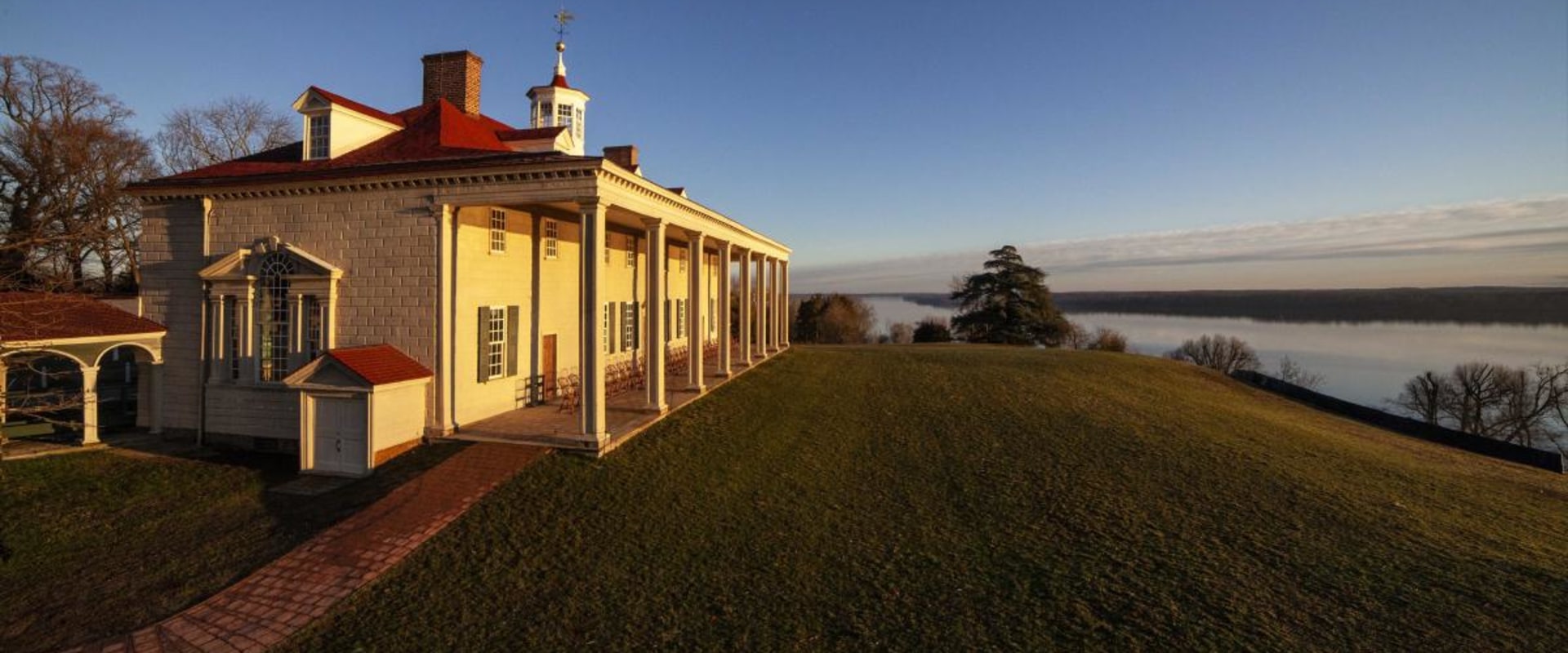
Mount Vernon, the iconic estate of George Washington, stands as a testament to the life and legacy of America’s first president. Nestled along the banks of the Potomac River in Virginia, this historic site is not only a beautifully preserved mansion but also a symbol of the early years of the United States. The estate was established in the 18th century and has since become a focal point for understanding Washington's personal and political life, offering visitors a glimpse into the world that shaped a nation. Just as Mount Vernon represents unity in America's history, events like the Power of Unity Celebrating Martin Luther King remind us of the ongoing journey toward equality and justice.The , stands as a testament to the life and legacy of America’s first president. Nestled along the banks of the Potomac River in Virginia, this historic site is not only a beautifully preserved mansion but also a symbol of the early years of the United States. The estate was established in the 18th century and has since become a focal point for understanding Washington's personal and political life, offering visitors a glimpse into the world that shaped a nation. Just as Mount Vernon represents unity in America's history, events like the Power of Unity Celebrating Martin Luther King remind us of the ongoing journey toward equality and justice.The historical significance of Mount Vernon extends beyond its stunning architecture and picturesque landscapes.
It serves as a vital link to the Revolutionary War era, showcasing how Washington's leadership and vision were instrumental in forging a new country. The estate features numerous historical landmarks, including the main house, outbuildings, and meticulously maintained gardens, all of which reflect the agricultural practices and social dynamics of the time. Each corner of Mount Vernon tells a story, from Washington's innovative farming techniques to his role as a statesman.Visitors to Mount Vernon can explore not only the grandeur of the estate but also engage with its rich history through interactive exhibits and guided tours. These experiences provide deeper insights into Washington's life, his values, and his enduring impact on American society.
As one walks through the halls where decisions that shaped the nation were made, it becomes clear why Mount Vernon is celebrated as a cornerstone of American heritage.
George Washington: Life and Legacy at Mount Vernon
George Washington, the first President of the United States, is intrinsically linked to Mount Vernon, his beloved plantation located on the banks of the Potomac River in Virginia. This estate not only served as his home but also as a reflection of his personal achievements and values.Washington inherited Mount Vernon from his half-brother Lawrence in 1754 and expanded it significantly during his lifetime. He transformed the estate into a thriving agricultural enterprise, implementing innovative farming techniques and crop rotation methods that were ahead of his time. His commitment to agriculture and land management showcased his forward-thinking approach and dedication to improving the land.Beyond agriculture, Mount Vernon was a hub for Washington's personal life.It was here that he married Martha Custis in 1759, and together they raised her children from a previous marriage. The estate became a sanctuary for Washington, where he could retreat from the pressures of public life. His love for Mount Vernon was evident in his meticulous attention to its gardens and grounds, which he often described as a source of great joy.Washington's legacy at Mount Vernon extends beyond his role as a farmer and family man. He used the estate as a platform for his political ideals, advocating for independence and democracy.
The estate became a meeting place for revolutionary leaders and a symbol of the new nation’s aspirations.Today, Mount Vernon stands as a testament to Washington's life and legacy. Visitors can explore the mansion, gardens, and museum exhibits that highlight his contributions to American history. The estate not only preserves Washington's memory but also educates future generations about the values he championed—leadership, resilience, and dedication to one's country.
Architectural Features of Mount Vernon
Mount Vernon, the historic estate of George Washington, is renowned not only for its rich history but also for its architectural features that reflect the elegance of 18th-century design. The estate showcases a unique blend of Georgian architecture and neoclassical elements, making it a significant example of early American architecture.One of the most striking aspects of Mount Vernon is its mansion, which was constructed between 1758 and 1778. The mansion features a distinctive hipped roof and a grand portico supported by four massive columns, which exemplify the neoclassical style.The use of wooden clapboard siding painted in a soft white hue adds to its charm, while the intricate details of the cornices and window frames highlight the craftsmanship of the period.The interior of the mansion is equally impressive, with rooms adorned with period furnishings and decorative arts that provide insight into the lifestyle of the Washington family. Notable rooms include the great room, which features a stunning fireplace and elegant moldings, and the dining room, where guests would have enjoyed lavish meals.Beyond the mansion, Mount Vernon encompasses beautifully landscaped gardens and outbuildings that contribute to its historical significance. The kitchen, slave quarters, and distillery are essential components of the estate, each reflecting different aspects of life during Washington's time. The careful preservation of these structures allows visitors to gain a deeper understanding of both the architectural style and the social history of the era.The estate's design is not merely aesthetic; it also serves practical purposes.
For instance, the layout promotes natural ventilation and light, showcasing an understanding of environmental factors that is often overlooked in modern architecture. This thoughtful design has made Mount Vernon a subject of study for architects and historians alike.In summary, Mount Vernon's architectural features are a testament to its historical importance and aesthetic appeal. The combination of elegant design, functional spaces, and meticulous preservation makes it a vital part of America's architectural heritage.
The Gardens and Grounds of Mount Vernon
The gardens and grounds of Mount Vernon are not only a testament to the aesthetic vision of George Washington but also a reflection of the rich horticulture history of the era. Spanning over 50 acres, these meticulously maintained landscapes showcase a variety of plants and design elements that were popular in the 18th century.One of the most notable features is the Upper Garden, which was designed to be both functional and beautiful.Here, visitors can find a diverse array of flowers, herbs, and vegetables that Washington cultivated for both culinary and medicinal purposes. The garden's layout is a prime example of landscaping techniques from the period, emphasizing symmetry and order.
The Lower Garden
In contrast, the Lower Garden serves as a more informal space, featuring a stunning collection of fruit trees and flowering plants. This area not only provided sustenance for Washington's household but also served as a place for relaxation and enjoyment. The careful selection of plants reflects Washington's interest in agricultural innovation and his commitment to improving crop yields.- Herbs: The herb garden includes varieties such as mint, thyme, and rosemary, which were essential for cooking and medicine.
- Flowering Plants: Seasonal blooms like peonies and hollyhocks add vibrant colors throughout the year.
- Trees: The grounds feature numerous trees, including magnolias and oaks, which provide shade and enhance the landscape's beauty.
Washington was an early advocate for agricultural practices that would later influence American farming. His attention to detail in the gardens reflects his belief in the importance of nature in daily life.Today, Mount Vernon continues to honor this legacy by preserving its gardens and educating visitors about their historical significance. Whether you are a gardening enthusiast or simply appreciate beautiful landscapes, the gardens at Mount Vernon offer a glimpse into the past while inspiring future generations to cultivate their own green spaces.
Visiting Mount Vernon: What to Expect
When planning a visit to Mount Vernon, the historic estate of George Washington, there are several key attractions and experiences that you won't want to miss. This iconic site offers a glimpse into the life of America's first president and the early years of the nation.Key Attractions
- The Mansion: The centerpiece of Mount Vernon is the beautifully preserved mansion, which features stunning architecture and period furnishings.
Guided tours provide insights into Washington's life and legacy.
- The Museum: The Donald W. Reynolds Museum and Education Center houses an extensive collection of artifacts, including Washington's personal items, documents, and interactive exhibits that bring history to life.
- The Gardens: Stroll through the meticulously maintained gardens, which showcase the horticultural practices of the 18th century. The flower and vegetable gardens are not only beautiful but also historically significant.
- The Farm: Explore the working farm that demonstrates agricultural practices from Washington's time. Visitors can see heritage breeds of animals and learn about farming techniques used in the 1700s.
Visitor Information
Before you go, it's essential to check the official Mount Vernon website for current hours of operation and ticket prices.The estate is open year-round, but hours may vary seasonally. Consider purchasing tickets in advance to avoid long lines, especially during peak tourist seasons.For those traveling with families, Mount Vernon offers a variety of educational programs and activities designed for children. These programs make learning about history engaging and fun.Lastly, don't forget to visit the Museum Store, where you can find unique souvenirs, books, and gifts that reflect the rich history of Mount Vernon. Whether you're a history buff or just looking for a scenic day trip, Mount Vernon promises an enriching experience for all visitors.
Events and Programs at Mount Vernon
Mount Vernon is not just a historical site; it is a vibrant hub of events and educational programs that engage visitors of all ages throughout the year.From seasonal celebrations to hands-on learning experiences, there is always something happening at this iconic estate.
Annual Events
Each year, Mount Vernon hosts a variety of annual events that draw crowds from near and far. Some of the most popular include:- George Washington's Birthday Celebration: A festive event featuring reenactments, special tours, and birthday cake to honor the first president.
- Independence Day Celebration: Enjoy fireworks, live music, and historical demonstrations that commemorate America's independence.
- Harvest Days: A fall event where visitors can experience traditional farming techniques and enjoy seasonal activities.
Educational Programs
The estate offers a range of educational programs designed to enhance the visitor experience. These programs include:- Guided Tours: Expert-led tours provide insights into George Washington's life and the history of Mount Vernon.
- Workshops: Hands-on workshops allow participants to learn skills such as cooking colonial recipes or crafting period-appropriate items.
- School Programs: Tailored for students, these programs align with educational standards and offer interactive learning opportunities.
Special Activities
In addition to annual events and educational programs, Mount Vernon features special activities that change with the seasons. Visitors can participate in:- Themed Tours: Seasonal tours that focus on specific aspects of Mount Vernon's history or gardens.
- Cultural Festivals: Events celebrating various cultures through food, music, and art.
- Nature Walks: Guided walks through the estate's beautiful grounds, highlighting the natural beauty and ecology of the area.
Whether you're a history buff or simply looking for a fun day out, there's something for everyone at this historic estate.
Frequently Asked Questions about Mount Vernon
When planning a visit to Mount Vernon, many travelers have questions that can enhance their experience. Here are some of the most frequently asked questions:- What are the operating hours of Mount Vernon?
Mount Vernon is typically open from 9:00 AM to 5:00 PM, but hours may vary seasonally. It’s best to check the official website for the most current information. - Is there an admission fee?
Yes, there is an admission fee to enter the estate. Discounts are often available for children, seniors, and military personnel. - Can I take a guided tour?
Absolutely! Guided tours are available and provide in-depth insights into George Washington's life and the history of the estate.Audio tours are also an option for those who prefer to explore at their own pace.
- Are there dining options on-site?
Yes, Mount Vernon features a restaurant and a café where visitors can enjoy a variety of meals and snacks, including some historical dishes. - What should I wear when visiting?
Comfortable walking shoes are recommended as you will be exploring the estate's grounds. Dress according to the weather, as much of the experience is outdoors. - Is Mount Vernon accessible for individuals with disabilities?
Yes, the estate is committed to accessibility. Wheelchair rentals are available, and many areas are designed to accommodate visitors with mobility challenges.
Conclusion: The Enduring Legacy of Mount Vernon
In conclusion, Mount Vernon stands as a testament to the life and legacy of George Washington, the first President of the United States.This historic estate not only reflects Washington's personal achievements but also serves as a symbol of the nation's early struggles and triumphs. The preservation of Mount Vernon allows visitors to connect with the past, offering insights into the values and principles that shaped America.The estate is renowned for its stunning architecture, meticulously maintained gardens, and rich collection of artifacts that tell the story of Washington's life. Each year, millions of visitors flock to Mount Vernon, eager to explore its grounds and learn about the man who played a pivotal role in the founding of the United States.
- Historical Significance: Mount Vernon is not just a home; it is a historical landmark that embodies the spirit of American independence.
- Cultural Impact: The estate has influenced countless works of art, literature, and scholarship, reinforcing Washington's status as a national icon.
- Educational Resource: Through its programs and exhibits, Mount Vernon educates visitors about early American history and the complexities of Washington's life, including his role in slavery.
By visiting Mount Vernon, individuals not only honor George Washington's legacy but also engage with the foundational narratives that continue to shape our nation today.